


.webp)
.jpg)
.webp)



 By
By
Table of Contents
What Does “Pussy Cream” Mean?
“Pussy cream” is a slang phrase people sometimes use to describe female wetness during arousal, but it is not a medical term. In real-world use, it usually refers to a mix of vaginal lubrication, cervical mucus, and sometimes orgasm-related fluid release. That is why different people may use the same phrase while actually talking about slightly different body responses.
The important point is that female sexual fluids are not one mysterious substance. They are part of the body’s normal response to arousal, hormone changes, and reproductive health. The amount, texture, and timing can all vary from person to person and even from one week of the month to another.
Understanding this topic clearly helps remove a lot of unnecessary confusion. Some people worry that they are “too wet,” others worry they are “not wet enough,” and many are unsure how lubrication, discharge, and squirting differ. In reality, variation is common, and the body does not produce the exact same type or amount of fluid every time. If you also want to understand how comfort, angle, and pacing can affect sensation, our best sex positions guide is a useful next read.
This article is for adult sexual wellness education only.
It focuses on body awareness, comfort, and sexual health information. It is not a substitute for medical diagnosis or treatment.
“Pussy cream” usually means female arousal fluid, not one single substance. It may include natural vaginal lubrication during arousal, cervical mucus that changes across the menstrual cycle, and in some cases fluid released during orgasm. The exact amount and texture can vary a lot, and variation is often completely normal.
What Fluids Are Actually Involved?
When people talk about female wetness, they are often combining several different types of fluid into one casual phrase. That is why the topic can sound more confusing than it really is.
1. Vaginal lubrication
This is the moisture most people mean when they talk about being “wet” during sex. As arousal builds, blood flow increases around the pelvic area, and the vaginal walls release moisture. This lubrication helps reduce friction and makes penetration feel more comfortable.
2. Cervical mucus
Cervical mucus is produced by the cervix and changes throughout the menstrual cycle. At some points it can feel creamier or thicker, while around ovulation it often becomes clearer, wetter, and stretchier. Because of that, some of the moisture someone notices during sex may be linked to cycle timing rather than arousal alone.
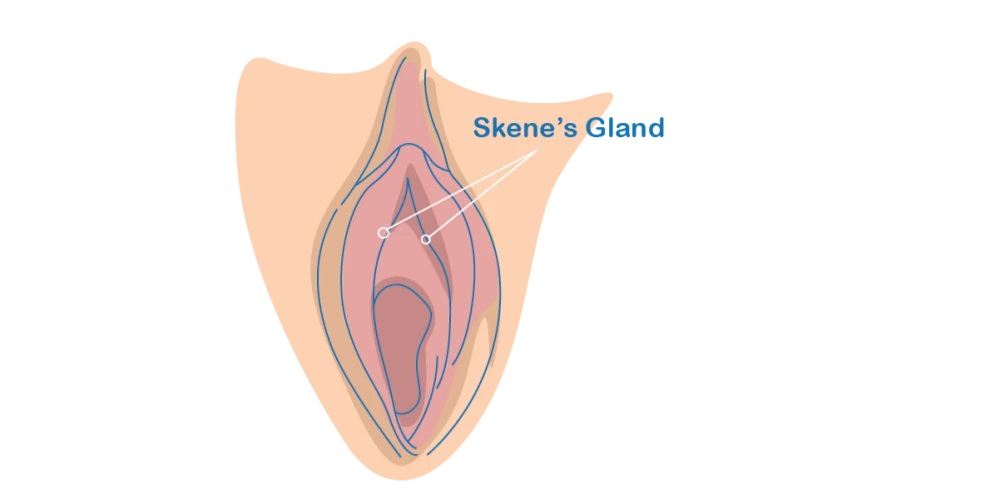
3. Female ejaculation and squirting
These are often treated as the same thing in casual conversation, but they are not always described the same way. Some people release a small amount of fluid during intense arousal or orgasm, while others may experience a more noticeable release. Some never experience either, and that does not mean anything is wrong.
So when someone says “pussy cream,” they may be referring to one of these fluids or a combination of them. That is exactly why the slang term sounds simple while the biology behind it is more layered.
Lubrication vs. Discharge vs. Squirting
This is one of the most useful distinctions to make, especially for search intent. Many users want to know whether these fluids are the same thing. They are related, but not identical.
| Type | What It Usually Means | When It Often Appears | Main Purpose or Role |
|---|---|---|---|
| Vaginal Lubrication | Moisture released as part of sexual arousal | During foreplay or sexual excitement | Reduces friction and improves comfort |
| Cervical Mucus / Discharge | Fluid naturally produced by the cervix and vagina | Throughout the cycle, with different textures | Keeps the vagina healthy and reflects hormone changes |
| Female Ejaculation | A smaller orgasm-related fluid release in some people | During intense arousal or orgasm | Varies by person and is not universal |
| Squirting | A larger release of clear fluid during sexual activity in some people | During arousal or orgasm | Also varies widely and does not happen to everyone |
This difference matters because many people search one slang term while actually wanting an explanation of several normal body responses.
What Is Normal?
There is no single “perfect” amount of wetness, no exact texture everyone should have, and no one scent that defines health. In general, healthy vaginal fluid may be clear, white, slippery, creamy, or slightly stretchy depending on the time of the month, arousal level, hydration, and hormones.
Some people naturally produce more lubrication than others. Some notice stronger cycle-related changes. Some feel much wetter during one sexual experience than another. All of that can fall within normal variation.
A useful rule is this: if the fluid seems normal for your own body and is not coming with itching, burning, soreness, or a sudden strong unpleasant smell, it is often just part of normal body function. Changes do not automatically mean something is wrong, but sudden changes with symptoms deserve more attention.
Why the Amount Can Change
Arousal is only one part of the picture. The amount of fluid someone notices can shift because of several factors, including hormones, menstrual cycle timing, hydration, stress, fatigue, postpartum changes, menopause, and certain medications.
Hormones and cycle timing
Hormones affect both the vaginal tissues and cervical mucus. Around ovulation, fluid may become clearer, wetter, and more elastic. At other times, it may be thicker or less noticeable. That means wetness can change during the month even when overall health is fine.
Arousal level and stimulation
Physical and mental arousal both matter. Someone may want sex emotionally but still need more time, more foreplay, or a different kind of stimulation before the body produces enough lubrication for comfort. If external stimulation helps the body warm up more naturally, this rabbit vibrator guide explains how better alignment and pacing can make arousal feel smoother and less awkward.
Stress, fatigue, and medication
Stress can make it harder to relax into arousal. Fatigue can reduce responsiveness. Some medications and hormone shifts can also make dryness more likely. Low lubrication is not always about desire, and it should not automatically be treated as a sign of poor chemistry.
What If There Is Not Enough Lubrication?
Not getting very wet does not mean someone is “bad at sex,” not attracted enough, or physically broken. Sometimes the body simply needs more time. Sometimes the environment is distracting. Sometimes hormones or medication play a bigger role than people expect.

Slow down and extend foreplay
For many women, arousal takes longer than many people assume. More kissing, touching, teasing, oral, and relaxed pacing can make a noticeable difference. Rushing straight to penetration is one of the most common reasons sex feels uncomfortable instead of pleasurable. Positions that allow more body contact and pace control can also help, which is why some couples like setups explained in this straddling sex guide.
Use lubrication when needed
Lube is not a failure. It is a tool. A good water-based lubricant can improve comfort, reduce friction, and make sex feel smoother and more enjoyable. If you want to explore options, browsing body-safe lubricants is a practical place to start.
Pay attention to recurring dryness
If dryness happens often, causes discomfort, or shows up with burning or pain during sex, it may be worth looking at the bigger picture. Hormonal changes, postpartum recovery, menopause, and some medications can all affect lubrication.
When Should You Pay Attention?
Normal variation is common. What matters more is when a change feels clearly outside your usual pattern and comes with other symptoms. This is where many users want a simple, direct answer.
| Usually Normal | May Need More Attention |
|---|---|
| Clear or white fluid | Strong unpleasant or fishy smell |
| More wetness during arousal | Burning, itching, soreness, or irritation |
| Texture changes across the cycle | Yellow, green, or gray fluid |
| Mild natural scent | Pain during sex or when peeing |
| Different levels of wetness at different times | Sudden change that feels very different from your usual pattern |
This does not mean every change is serious. It means that unusual fluid plus discomfort is more important than fluid changes alone. If something feels persistently off, getting checked is the smart move.
“Pussy cream” is a slang term, but the body responses behind it are real. In most cases, it refers to a mix of natural lubrication, normal vaginal or cervical fluid, and sometimes orgasm-related fluid release. The amount can vary based on arousal, hormones, cycle timing, and overall health. The real goal is not to chase one “ideal” version of wetness, but to understand what is normal for the body and what changes may be worth paying attention to.
Frequently Asked Questions
Is pussy cream a real medical term?
No. It is slang, not a medical term. Most of the time, people use it to describe female wetness during arousal rather than one specific biological substance.
Is female lubrication normal?
Yes. Vaginal lubrication is a normal part of sexual arousal, and normal vaginal discharge also helps keep the vagina moist and healthy.
What is the difference between lubrication and discharge?
Lubrication usually appears during arousal and helps reduce friction during sex. Discharge is a broader term that includes fluids naturally produced throughout the menstrual cycle, even when sex is not involved.
Why do some women get wetter than others?
The amount can change because of arousal level, hormones, cycle timing, hydration, stress, age, menopause, postpartum shifts, or certain medications. Natural body variation also plays a role.
When should unusual vaginal fluid be checked?
It is worth paying closer attention if the fluid suddenly changes and comes with itching, burning, soreness, pain, a strong unpleasant odor, or unusual yellow, green, or gray color.
About VenusFun
According to VenusFun, sexual wellness should be approached with education, personal comfort, and respect. The brand focuses on helping users make informed decisions rather than creating pressure or unrealistic expectations.
Company: ESHINE SMARTECH CO., LIMITED
Email: service@venusfun.com
Phone: 9499981980
US Office: 9800 Richmond Ave. Ste 520, Houston, TX 77042









comments