


.webp)
.jpg)
.webp)



 By
By
Table of Contents
- ▶ Anal Fisting: What You Should Know First
- ▶ Defining Anal Fisting Beyond the Stereotypes
- ▶ Risk Management and Safety Essentials
- ▶ Readiness Check: Is This Right for You?
- ▶ Physical Preparation and Hygiene Steps
- ▶ Step-by-Step Exploration Guide
- ▶ Recommended Positions for Control
- ▶ Red Flags and Common Pitfalls
- ▶ Post-Session Care and Recovery
- ▶ Frequently Asked Questions
Anal Fisting: What You Should Know First
Anal fisting represents one of the most advanced forms of anal exploration. It is not something to rush into on a whim or after a few casual experiences with anal play. For those who have built a deep connection with their body’s responses and have mastered communication with their partner, it can offer a unique sense of fullness and intimacy. However, the margin for error is significantly tighter than with standard anal sex. Pushing the body beyond its natural limits without proper pacing can lead to serious discomfort or injury.
This guide serves as an educational resource to help you understand the mechanics, risks, and necessary precautions involved. Our goal isn't to encourage everyone to try it, but to ensure that those who do are armed with the right information. If you're new to this territory, we highly recommend starting with our anal fingering guide for beginners to build a safe foundation.
Defining Anal Fisting Beyond the Stereotypes
Contrary to how it's often depicted in adult media, anal fisting is rarely about a clenched fist. In practice, the hand is usually held in a "duck-bill" or tapered shape to allow for a smooth, gradual entry. The term covers everything from the insertion of three or four fingers to the entire hand past the knuckles.
Success in this type of play is measured by the receiving partner's comfort, not by how much of the hand is "achieved." The focus should always remain on the internal sensations and the slow expansion of the anal sphincters. Treating this as a "milestone" or a "challenge" often leads to ignoring the body's warning signs, which is where injuries happen.
Mental Shift: Think of it as a dialogue between the hand and the muscle. The muscle must "invite" the hand in through relaxation, rather than the hand forcing its way through.Risk Management and Safety Essentials
While fisting can be explored more safely, it is never "risk-free." The primary concerns are mucosal tears, anal fissures, and potential long-term impact on muscle tone if done recklessly. Because the rectum does not produce its own lubrication, the risk of friction-based injury is high. Professional health resources, such as Cleveland Clinic's data on anal fissures, highlight that even small tears can cause significant pain and risk of infection.
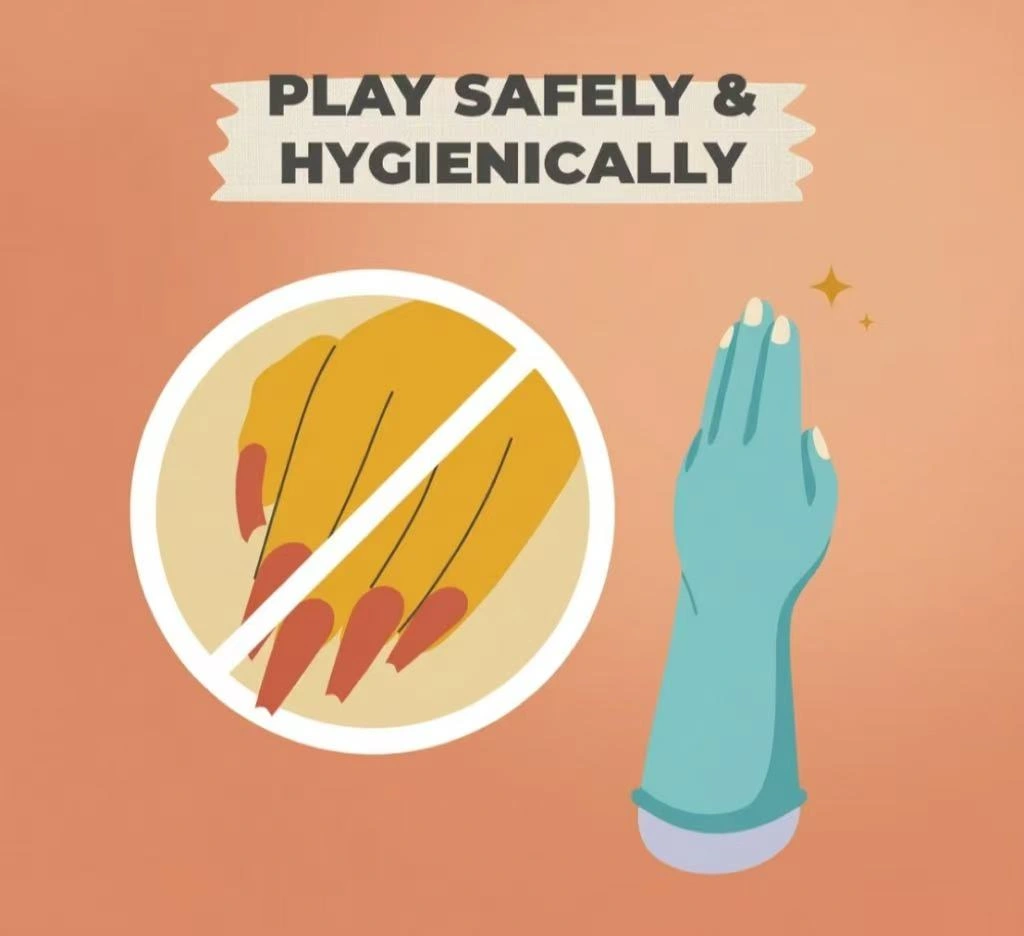
From an STI perspective, the large surface area of the hand increases the potential for fluid exchange through small cuts or around fingernails. This is why using high-quality nitrile or latex gloves is a standard recommendation in the community. For a broader look at protective measures, Planned Parenthood's safer sex guide remains a vital reference.
Readiness Check: Is This Right for You?
Are you actually ready for this? Beginners often underestimate the amount of "pre-work" required. If you find yourself tensing up during standard penetration or if you haven't yet experimented with medium-sized anal toys, fisting should stay off the table for now.
| Current Experience | Recommendation | Key Reason |
|---|---|---|
| Zero to minimal anal play | Avoid for now | You lack the baseline understanding of your body's "yes/no" signals regarding deep stretch. |
| Comfortable with large toys/multiple fingers | Proceed with caution | You have the necessary muscle control and communication skills to manage the intensity. |
| Dealing with hemorrhoids or fissures | Hard stop | Advanced play will exacerbate existing medical issues and lead to significant bleeding. |
Physical Preparation and Hygiene Steps
Preparation is the foundation of safety. Start by ensuring the environment is calm and private. Hygiene isn't just about aesthetics; it's about preventing infection. Trim fingernails as short as possible and use a nail file to remove any jagged edges. Even a tiny scratch can lead to an anal fissure.
The Lubrication Rule
You cannot use too much lube. For fisting, you need a lubricant that stays "slick" for a long time. Many people prefer thick, water-based jellies or high-quality silicone lubes. If you are using latex gloves, remember the CDC's warning: oil-based products (like coconut oil or Vaseline) will degrade latex almost instantly, making them unsafe for use with barriers.
Douching and Internal Cleanliness
While not strictly mandatory for safety, many people feel more relaxed if they have cleaned the lower rectum beforehand. However, avoid over-douching, as it can strip away the natural protective mucus of the anal canal, making the tissue more sensitive to friction.
Step-by-Step Exploration Guide
The secret to a successful session is incremental progress. Start with external stimulation to relax the area. Introduce one finger, then two, slowly rotating and allowing the muscles to adjust. This process can take 30 minutes to an hour—impatience is the enemy of safety.
As you progress, the giving partner should keep their hand in a "point" (fingertips together) rather than a wide palm. Wait for the "settling" feeling—where the initial tight sensation gives way to a relaxed openness—before attempting to move deeper. The receiving partner should use deep, diaphragmatic breathing to help drop the pelvic floor.
Recommended Positions for Control
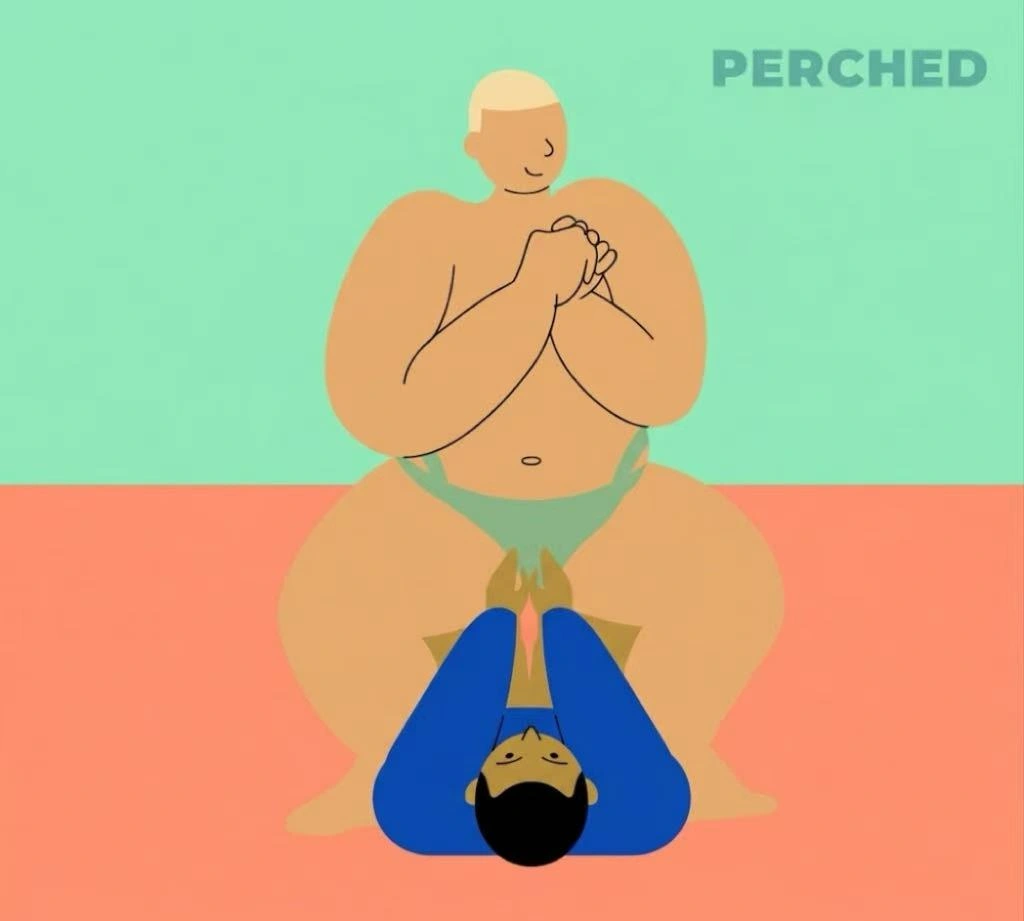
The right position is one that allows the receiver to stay completely relaxed while giving the giver a stable angle of approach. Gravity and support play huge roles here.
Modified Doggy (The Slingshot)
By using pillows or a "sex wedge" under the chest, the receiver can lower their upper body while keeping the hips accessible. This angle often feels more natural and allows the giver to use their body weight for steady, controlled pressure rather than jerky arm movements.
Sling or Back-Lying
Lying on the back with legs held back (or in a sling) provides the best visual for the giver and allows the receiver to easily reach down and guide the hand. This position is ideal for communication, as you can see each other's facial expressions and react to any signs of tension immediately.
Pro Tip: Ensure the receiver's legs are well-supported. If they have to strain their muscles to hold a position, their anus will naturally tighten, making exploration much more difficult.Red Flags and Common Pitfalls
If you encounter any of the following, it is time to slow down or stop entirely:
- Sharp Pain: A "stinging" or "cutting" sensation usually indicates a micro-tear.
- Numbing Agents: Avoid "anal desensitizing" creams. Pain is your body's only way of telling you that you are causing damage.
- Dryness: If you feel the glove "dragging" against the skin, stop and re-lube immediately.
- Clamping: If the muscle won't stop spasming or clamping down, the body is saying "no" for the day.
Post-Session Care and Recovery
Aftercare is both physical and emotional. The receiving partner may feel a sense of "openness" or slight soreness for a few hours. This is normal, but it should not be excruciating. A warm (not hot) bath can help soothe the muscles. Avoid further anal penetration for at least 24–48 hours to allow the tissue to recover.
Check for rectal bleeding. While a tiny speck of blood on a glove might happen, active bleeding or blood in the stool is a serious sign. Refer to the Cleveland Clinic guide on rectal bleeding to know when to seek medical help.










comments