


.webp)
.webp)
.webp)
.webp)



 By
By
If you are looking for the average sex time, one widely cited study of 500 couples found a median of about 5.4 minutes from vaginal penetration to ejaculation. That number is useful, but it does not describe the full time people may spend kissing, touching, using toys, having oral sex, pausing, or enjoying other kinds of sexual activity.
The Quick Answer
When people ask about average sex time, they are often expecting one neat number. The closest commonly cited figure is about 5.4 minutes for vaginal penetration to ejaculation.
That does not mean the average sexual encounter lasts only five minutes. It means researchers timed one specific part of sex because it was easier to define consistently.
So if your idea of sex includes kissing, touching, oral sex, toys, breaks, or cuddling, your total sex time may be much longer than the number used in intercourse studies.
What Average Sex Time Actually Measures
Sex does not have an obvious starting bell. One person may count the first kiss. Another may count penetration. Someone else may include every intimate activity from start to finish.
Researchers need a clear start and end point, so studies of intercourse often measure from vaginal penetration to ejaculation. This is sometimes called intravaginal ejaculation latency time.
That definition makes the data easier to compare, but it also explains why an online answer for average sex time can sound surprisingly short.
What Research Says About Sex Time
In a multinational stopwatch study involving 500 couples, the median penetration time was about 5.4 minutes. The individual times varied widely, from less than a minute to more than 40 minutes.
The word median matters. It means half of the recorded times were shorter and half were longer. It is often used to answer the average sex time question, but it should not be treated as a performance goal.
Another survey asked sex therapists for their views on intercourse duration. Their commonly reported ranges were 1 to 2 minutes as too short, 3 to 7 minutes as adequate, and 7 to 13 minutes as desirable.
These ranges are context, not bedroom rules. They do not prove that one duration is right for every person or every couple.
Why Sex Time Can Vary
Your sex time can change even when nothing is wrong. Sexual response is not perfectly consistent from one encounter to the next.
Excitement, stress, fatigue, comfort, stimulation, medications, general health, and familiarity with a partner can all influence how quickly or slowly someone reaches orgasm or ejaculation.
The same person may last longer one night and much less time on another. A single session is not a reliable personal average.
This is why comparing yourself with one number from a study can create more pressure than useful information.
Is Longer Sex Better?
Not necessarily. More minutes do not automatically create more pleasure.
Longer penetration can become tiring or uncomfortable for some people. Shorter sex can still feel satisfying when both partners enjoy the experience.
Sex can also feel longer without making penetration last longer. Kissing, touching, oral sex, toys, slower pacing, and pauses can all be part of the experience.
Instead of treating sex time like a score, it is often more useful to think about comfort, communication, consent, and whether both people enjoyed what happened.
Recommended Products
Here are three VenusFun products designed for couples who want to explore different types of vibration, wearable play, and sleeve-style stimulation.
Each option offers a different design and control style, so you can compare the features that best match your preferences.
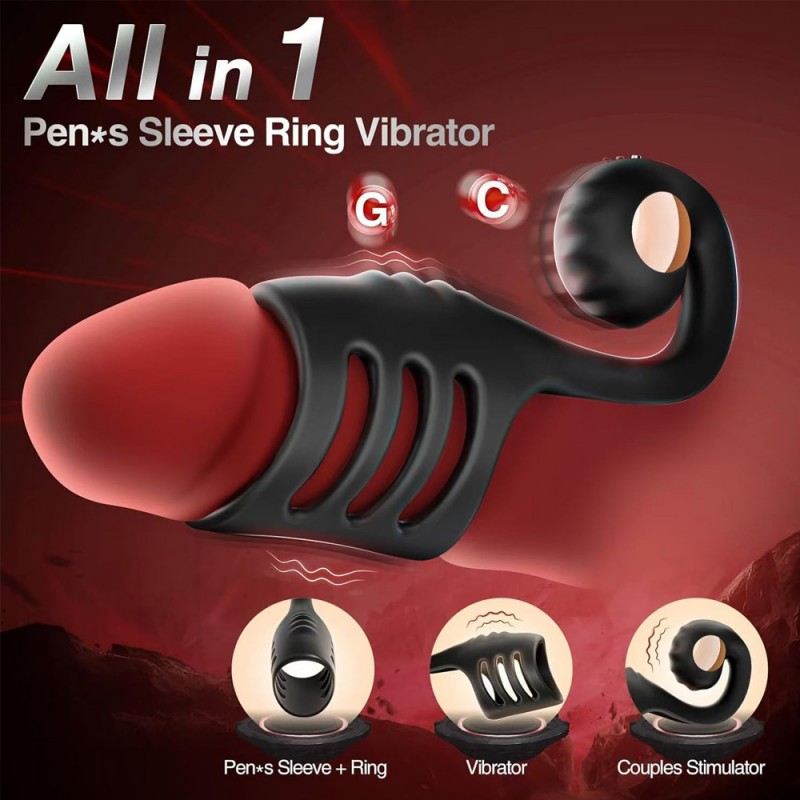 Couples play
Vinasu Snail Armor Vibrating Cock Ring Sleeve
Couples play
Vinasu Snail Armor Vibrating Cock Ring Sleeve
A silicone ring and sleeve with two vibration points, remote control, and 10 vibration settings. Its snail-shaped design combines a wearable ring structure with added texture and vibration for couples play.
View Product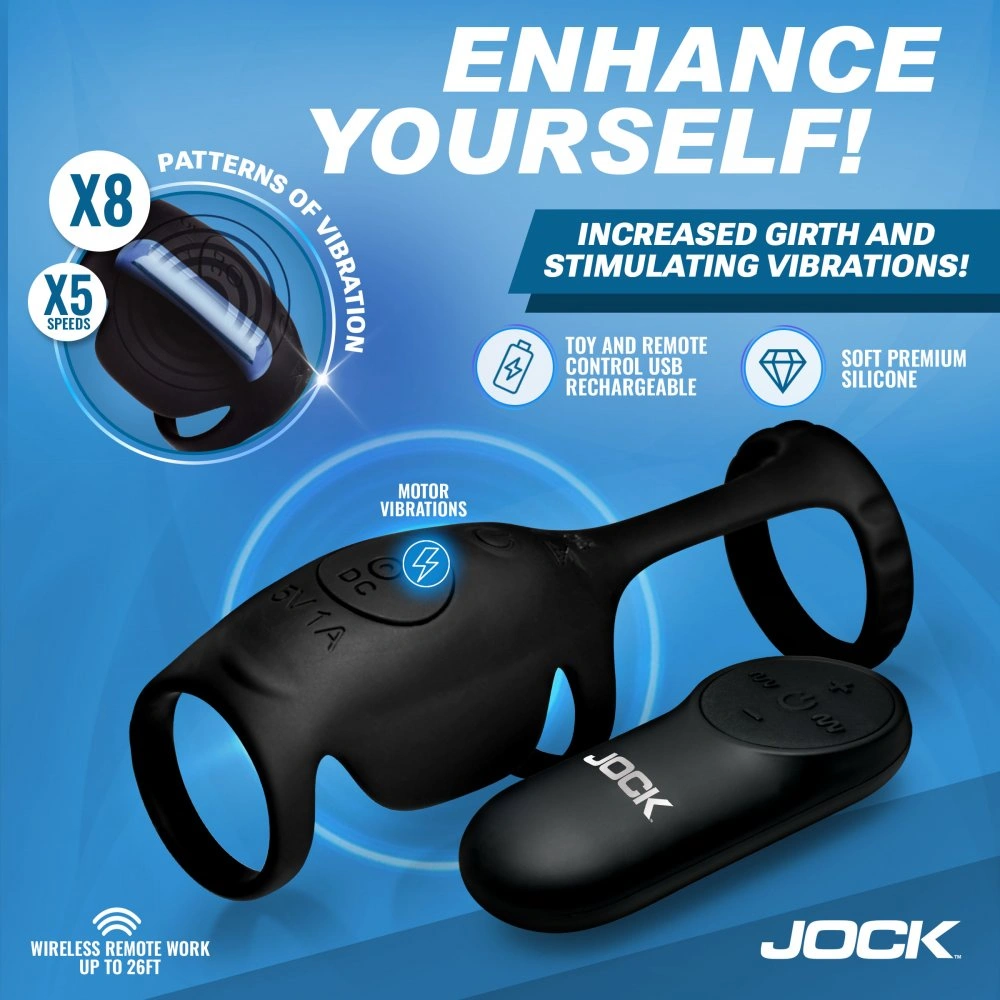 Remote control
Jock Blitz Vibrating Penis Sleeve
Remote control
Jock Blitz Vibrating Penis Sleeve
A dual-ring vibrating sleeve with five vibration speeds and eight vibration patterns. It includes a rechargeable remote for easy control and lets users switch between different intensity and rhythm settings.
View Product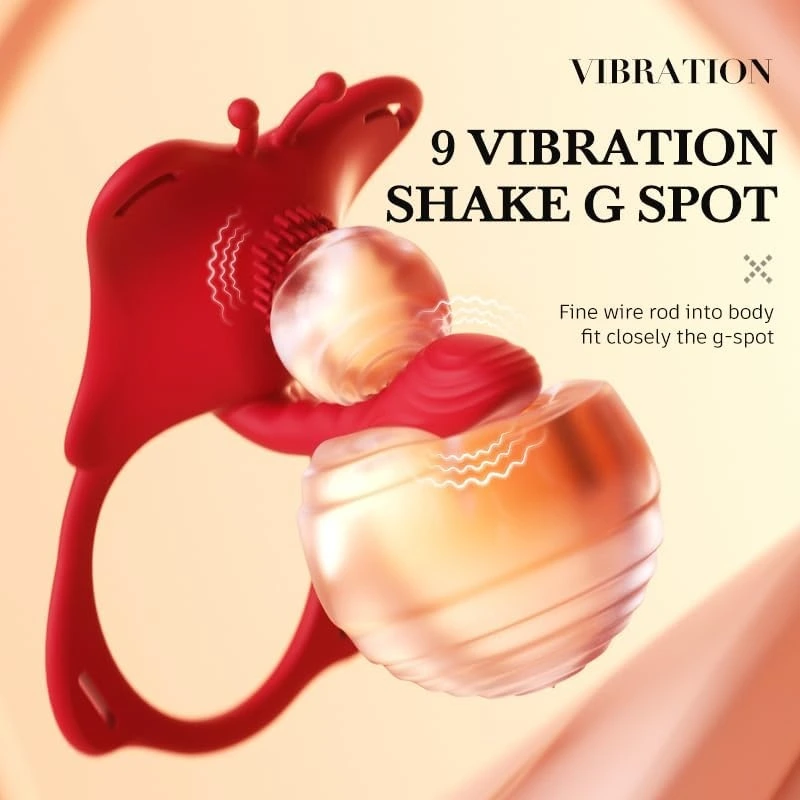 Wearable and app control
Venusfun App Control Wearable Vibrator for Couples
Wearable and app control
Venusfun App Control Wearable Vibrator for Couples
A wearable silicone vibrator with app control, an adjustable strap, and nine vibration modes. The hands-free design makes it easy to adjust vibration settings from a phone while wearing the toy.
View ProductAlways follow the product instructions, use a compatible lubricant when needed, and stop using the toy if it causes pain, numbness, or irritation.
When Timing May Be Worth Attention
Being shorter or longer than an online average does not automatically mean there is a health problem.
Timing may be worth discussing with a qualified healthcare professional if ejaculation repeatedly happens much sooner than you want, feels difficult to control, and causes ongoing distress.
Persistent difficulty reaching orgasm, erection problems, or pain during sex can also deserve professional attention, especially if the change is new or bothersome.
A stopwatch alone cannot diagnose a sexual health condition. The pattern, context, control, comfort, and level of distress matter too.
Average Sex Time FAQ
How long does sex last on average?
One widely cited study found a median of about 5.4 minutes from vaginal penetration to ejaculation. It did not measure the full sexual encounter, so total sex time may be much longer.
Is 5 minutes of sex normal?
Five minutes is close to the median reported in the study above. Individual penetration times vary widely, so one number cannot define what is normal or satisfying for everyone.
Is 10 minutes a good sex time?
Ten minutes falls within a range that surveyed sex therapists have described as desirable for intercourse. It is not a universal target, and satisfaction does not depend on reaching a specific number of minutes.
Does foreplay count as sex time?
In everyday life, many people include kissing, touching, oral sex, toys, and other intimate activities as part of sex. Research on intercourse duration often excludes them because it measures penetration specifically.
Is longer sex always better?
No. Longer penetration does not automatically mean more pleasure and can become uncomfortable for some people. Comfort, communication, consent, and mutual enjoyment are more useful measures than duration alone.








comments