


.webp)
.jpg)
.webp)



 By
By
The butterfly sex position looks more complicated than it really is. One partner lies back near the edge of the bed while the other stands or kneels between their legs, leaving plenty of room to change the angle, raise or lower the legs, and control how deep each movement feels.
You do not need impressive flexibility to make Butterfly work. The easiest version starts with bent knees, relaxed legs, and hips supported by the mattress; once that feels good, you can experiment with higher legs, a pillow under the hips, or a different angle.
What Is the Butterfly Sex Position?

Butterfly is an edge-of-the-bed sex position. The receiving partner lies on their back while the penetrating partner faces them from between the legs, usually standing beside a higher bed or kneeling beside a lower one.
The big difference from a standard face-to-face position is that the receiving partner's hips sit close to the edge. That gives the upright partner more room to move and makes it much easier to experiment with hip height and leg placement without completely changing positions.
Butterfly is a good choice when you like face-to-face sex but want more space around the pelvis than you get in a tightly wrapped position. If you prefer slower, chest-to-chest contact instead, the Lotus sex position keeps both partners much closer together and favors rocking over larger thrusts.
How to Do the Butterfly Sex Position Step by Step
The trick with Butterfly is to get the setup right before you start chasing a dramatic angle. Build the position from the bed upward: stable surface first, hips second, legs third, then movement.
Step 1: Start at the Edge of the Bed
Beginner-friendly Stability firstLie on your back and scoot toward the edge until your hips are close enough for your partner to stand or kneel comfortably between your legs. Keep your butt and pelvis supported by the mattress rather than hanging completely over the side.
A firm bed is easier than a mattress that sinks deeply under your weight. If both of you are already wobbling before anything has started, move to a more stable setup.
Step 2: Keep Your Knees Bent
Easy legsForget the dramatic photos where both legs are stretched straight toward the ceiling. For your first try, bend your knees and let your legs fall naturally to either side of your partner.
This gives you much more freedom to change the angle and usually feels easier on the hips and hamstrings. If the position already feels like stretching class, lower your legs before you go any further.
Step 3: Line Up the Hips Before Moving
Better angleHave the standing or kneeling partner move close enough for comfortable pelvic alignment. If penetration is part of the plan, take a moment to line up first instead of trying to fix a bad angle with a harder thrust.
A small shift forward, backward, up, or down can make a surprisingly big difference. Bigger movement is not automatically better here.
Step 4: Start With Short, Slow Movement
Control firstStart with a short range of motion so the receiving partner can get a feel for the depth and angle. Once that feels comfortable, the penetrating partner can gradually make the movement longer or faster if both people want that.
Butterfly can allow deeper penetration, but it does not have to be a deep-penetration position. You control that with the legs, hips, distance, and stroke length.
Step 5: Raise the Legs Only If You Want To
Optional variationIf the basic setup feels good, raise your legs a little at a time. You can place them around your partner's waist, rest them against the chest, or eventually put one or both legs over the shoulders.
Do not assume the highest leg position will feel the best. A few inches of difference can completely change the pressure, and many people prefer Butterfly with the knees still bent.
Step 6: Lower the Legs Before You Get Tired
Do not wait until your thighs are shaking or your hamstrings are complaining. Lower your legs, bend your knees, or switch positions while the setup still feels good.
When you finish, bring raised legs down deliberately rather than letting them fall from a shoulder-supported position. Give your hips and knees a moment to relax before standing up.
How to Make the Butterfly Position Actually Feel Good
The difference between a fun Butterfly position and an awkward one usually comes down to three things: bed height, hip height, and where you put your legs. None of them has one perfect setting for everyone.
Get the Bed Height Right
If your partner is standing, the bed should put your pelvis somewhere near a comfortable working height. If the bed is too low and your partner has to hold a permanent squat, the position gets tiring fast.
On a lower mattress, kneeling is often the easier answer. On a higher bed, standing may feel much more natural because the penetrating partner can stay upright instead of hunching over.
Use a Pillow Under the Hips, Not a Pillow Mountain
A firm pillow or positioning cushion under the hips can slightly raise the pelvis and change the penetration angle. This is one of the easiest ways to experiment with the butterfly sex position with a pillow without making the whole setup more complicated.
Keep the support modest and stable. A pillow should make Butterfly easier, not turn your hips into a balancing act.
Try the Legs Around the Waist
If legs on the shoulders feel like too much, wrap them loosely around your partner's waist instead. This keeps the hips open without demanding as much flexibility from the backs of your legs.
Keep the hold relaxed rather than using your legs to pull your partner sharply toward you. Pulling forward can suddenly increase depth.
When to Put Your Legs on Their Shoulders
The butterfly position with legs on shoulders changes the angle and can allow a larger range of penetration. It can also create more stretch through the hamstrings, glutes, and hips.
Keep your knees slightly bent if straight legs feel too intense. Your partner's shoulders should support your legs, not push them toward your head.
What to Do If It Feels Too Deep
Lower your legs, bend your knees more, remove some hip elevation, and shorten the stroke. Your partner can also move half a step farther from the bed so their pelvis does not travel as far forward.
Change one thing at a time. If you simultaneously move the pillow, straighten your legs, and change speed, neither of you will know which adjustment actually helped.
What to Do If You Barely Feel Anything
Try a small change in hip height before chasing more speed. A slightly firmer cushion under the pelvis or a higher leg position can change where pressure lands.
You can also bring the bodies a little closer or use shorter, more deliberate movement. More force is not the only way to create more sensation.
What Each Partner Actually Does in Butterfly
Butterfly often looks like the partner lying down does nothing while the upright partner handles all the movement. That can absolutely be the lazy version, but it is not the only way to use the position.
What the Partner Lying Down Can Do
You can keep your hips relaxed and let your partner lead, or you can change the angle yourself by lifting your pelvis slightly, tilting it, or moving your legs higher or lower. Those small changes often matter more than trying to make a big thrusting motion from your back.
Your hands are also free for touching, holding your partner, or adding external stimulation. If your abs or legs start working harder than you want, stop holding the pose so rigidly and let the mattress do more of the work.
What the Standing or Kneeling Partner Can Do
The upright partner usually controls most of the rhythm. Standing tends to give more room for forward-and-back movement, while kneeling brings the body lower and can make slower movement easier.
Hands can rest on the bed, hips, or thighs for balance, but there is no need to push the receiving partner's legs farther than they naturally want to go. If you want a different angle, change your own stance before trying to fold your partner in half.
Who Should Control the Depth?
Both partners should have a say, but the receiving partner needs an easy way to signal when the depth changes from good to too much. That becomes especially important when the legs are raised because the position can change quickly.
A simple rhythm works well: start shallow, get feedback, then increase depth gradually. There is no prize for reaching maximum depth in the first ten seconds.
Standing vs. Kneeling: Which Butterfly Setup Is Better?
Neither is universally better. The right choice depends mostly on bed height, leg comfort, and whether the upright partner wants more leverage or a lower-effort setup.
| Setup | What It Feels Like | Best For | Common Problem | Easy Fix |
|---|---|---|---|---|
| Standing | More room for forward-and-back movement and easy changes in distance. | Higher beds and partners who want more leverage. | Leg or lower-back fatigue if the bed is too low. | Move to a higher surface or switch to kneeling. |
| Kneeling | More compact and often easier for slow, controlled movement. | Lower beds and partners who do not want to stay standing. | Knee pressure on a firm mattress or floor. | Add stable padding beneath the knees. |
| One knee up | Creates an in-between height and an asymmetrical angle. | Small height adjustments when full standing feels too high. | Can feel unbalanced. | Keep the supporting foot or knee securely planted. |
If you like being face-to-face but would rather put more of the movement in the receiving partner's hands, the straddle sex position offers a different kind of control because the partner on top can manage rhythm and hip angle more directly.
Butterfly Variations Worth Trying
You do not need eight different names for tiny changes in leg position. The most useful Butterfly variations are the ones that solve a real problem: too much depth, tired legs, not enough angle, or limited flexibility.
Low-Leg Butterfly
Keep your knees bent and your legs on either side of your partner's hips. This is the version to try first if you are new to Butterfly, have tight hamstrings, or simply do not enjoy having your legs held high.
It also gives you the fastest escape route if something feels wrong. Just lower your feet to the mattress and reset.
Supported Butterfly
Slide a firm pillow or wedge beneath the hips to raise the pelvis slightly. This can make a low bed easier to work with and lets you change the angle without asking your partner to hold your body up.
Start with a small lift. If the support makes the angle too intense, remove it rather than compensating by lifting the legs even higher.
One-Leg-Up Butterfly
Raise one leg while keeping the other bent or lower on the bed. This opens one side of the pelvis and gives you a different angle without asking both hamstrings to do the same amount of work.
If your pelvis starts to feel twisted, put both legs back into the same position. Asymmetry should create a new angle, not a strained lower back.
Legs-on-Shoulders Butterfly
Place one or both legs over your partner's shoulders once the basic position already feels comfortable. This can create a tighter, more folded angle and may allow deeper penetration.
It also reduces the receiving partner's freedom to move, so communication matters more here. Keep the legs supported rather than pressed aggressively toward the chest.
Want Something Much More Athletic?
Butterfly itself does not need much upper-body strength, which is part of its appeal. If you specifically want a position where balance and arm support become part of the challenge, VenusFun's wheelbarrow sex position guide covers that much more demanding setup.
Want More Stimulation? Butterfly Gives You Room to Experiment
One nice thing about Butterfly is that your bodies are not locked chest-to-chest. There is usually enough space around the pelvis for a hand, a compact vibrator, or a wearable accessory without completely changing the position.
Get the basic Butterfly setup comfortable before adding anything else. If you are still fighting the bed height or struggling to hold your legs up, another accessory will usually make the setup more complicated rather than better.
External Stimulation
The receiving partner can use a hand for external stimulation, or either partner can add a vibrator if there is enough room to hold it comfortably. The open angle of Butterfly can make that easier than in positions where both pelvises are pressed tightly together.
A couples toy such as the We-Vibe Shared Touch Grinding Vibrator is one option when both partners want extra vibration. Use the toy according to its own instructions and change the angle if it creates uncomfortable pressure.
Rings and Sleeves
If you already enjoy cock rings, vibrating rings, or sleeves, Butterfly gives you enough visual and physical access to adjust them without completely untangling the position. That makes wearable accessories easier to troubleshoot if the fit or pressure needs changing.
Fit matters more than novelty. Remove a ring if it causes pain, numbness, unusual discoloration, coldness, or loss of sensation, and follow the specific product's directions for wear time and sizing.
Optional Extras for the Butterfly Setup
None of these are required to enjoy Butterfly. They simply fit different ways people may want to add vibration, wearable stimulation, or a little extra bedroom atmosphere after the position itself is working comfortably.
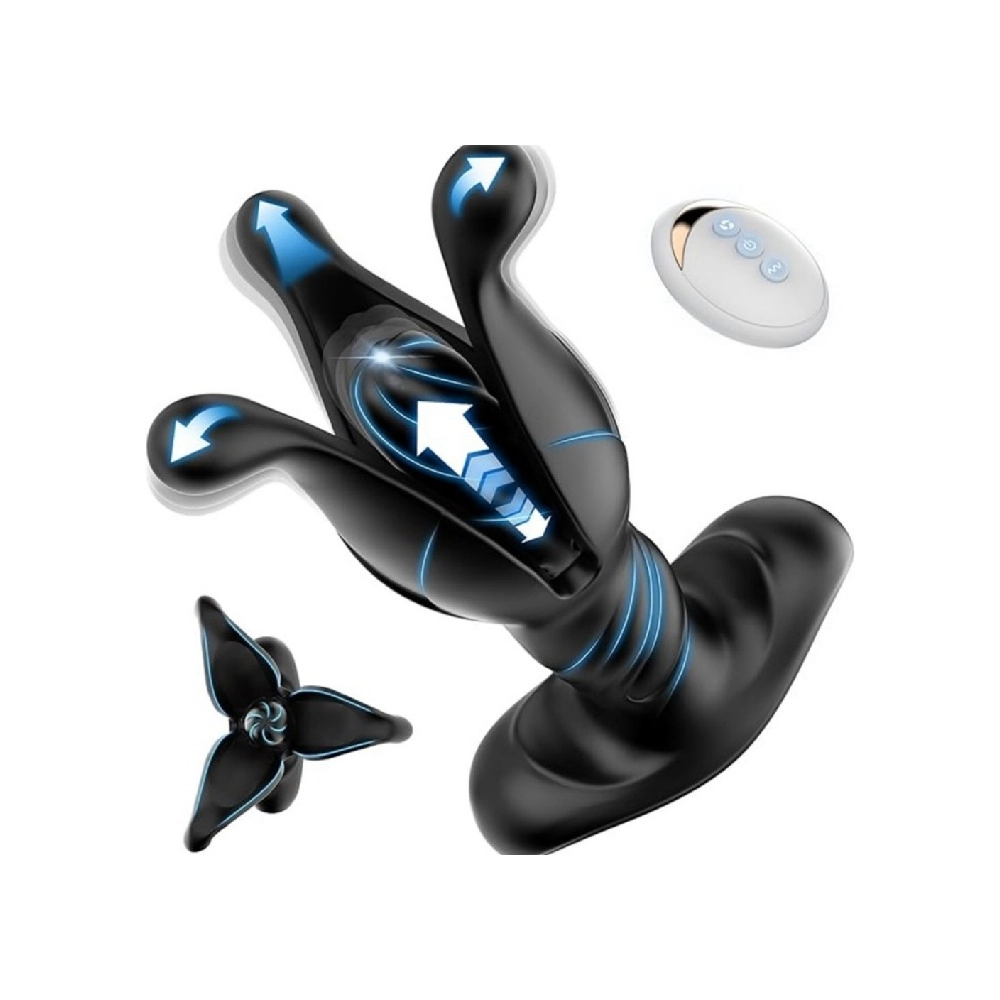
.webp "Shared Touch Couples Grinding Vibrator") Shared Touch Couples Grinding Vibrator
Shared Touch Couples Grinding Vibrator
A couples vibrator for people who want to add external vibration while keeping the open, face-to-face Butterfly setup.
View Shared Touch.jpg "Snail-Shaped Vibrating Ring Sleeve") Snail-Shaped Ring Sleeve
Snail-Shaped Ring Sleeve
A wearable ring-and-sleeve option for couples who already enjoy extra texture or vibration during face-to-face positions.
View Snail-Shaped Ring Sleeve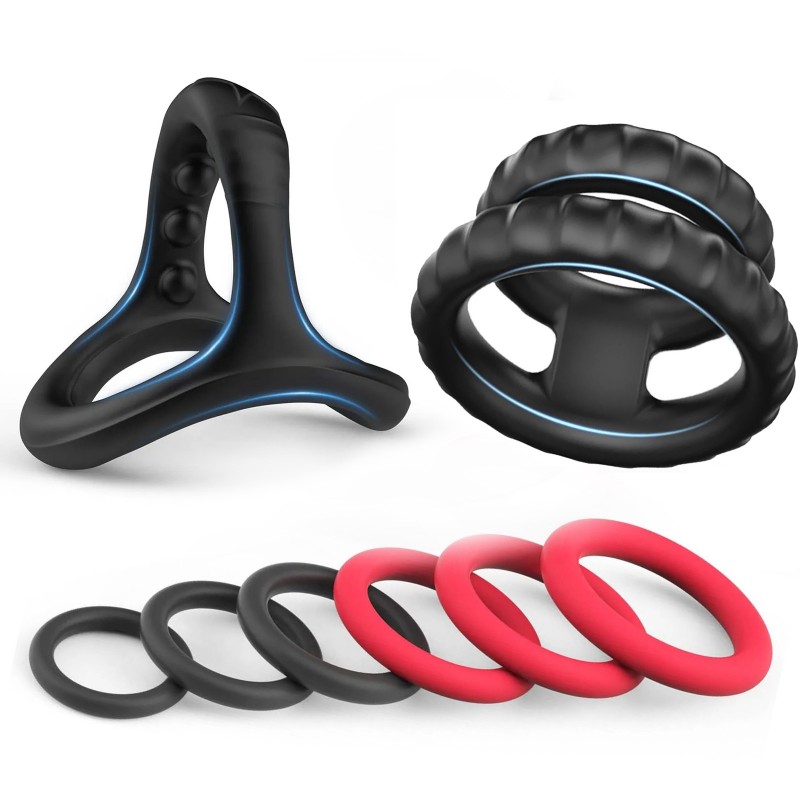 Venusfun Shark PK6 Cyclone Rings
A simpler wearable option for people who want to experiment with a ring without adding a handheld toy to the Butterfly setup.
View Shark PK6 Cyclone Rings Venusfun LustDragon-S1
A more feature-focused wearable ring for people who want extra stimulation while keeping both hands free for balance or touch.
View LustDragon-S1.jpg "Pure Instinct Captivate Perfume Oil") Pure Instinct Captivate Perfume Oil
Pure Instinct Captivate Perfume Oil
A fragrance choice for people who like adding scent to the bedroom atmosphere. Think of it as part of setting the mood rather than something that changes how Butterfly works.
View Pure Instinct CaptivateWhen Butterfly Is Uncomfortable or Not a Good Fit
Butterfly should feel adjustable, not like a position you have to endure once you are in it. The most common problems come from raising the legs too far, using an awkward bed height, or continuing after one partner has started to tense up.
If Your Hamstrings or Hips Feel Too Tight
Bend the knees and bring the legs down. You lose nothing essential by using a lower leg position, and you will usually gain more freedom to move your pelvis naturally.
Do not have your partner press your thighs toward your chest just to make the pose look more dramatic. The receiving partner should be able to reduce the stretch quickly.
If Your Knees or Lower Back Hurt
Knee discomfort often comes from holding the legs rigidly or from the upright partner kneeling without enough padding. Lower-back fatigue may mean the pelvis is hanging too far off the bed or the standing partner is bending forward excessively.
Reset the setup instead of pushing through it. A lower leg position, firmer support, or switching between standing and kneeling can solve more than simply trying harder.
Muscle effort can happen, but significant pain is not part of doing Butterfly correctly. Lower the legs, return to a neutral position, and switch setups if discomfort does not settle.
Consent Includes Depth, Leg Position, and Added Toys
Agreeing to the Butterfly sex position does not automatically mean agreeing to deeper penetration, having your legs pushed back, changing speed, or adding a toy. Check in when the angle changes significantly, especially if the receiving partner has less freedom to move.
Face-to-face positioning can make feedback easy. Use that advantage instead of assuming silence means every adjustment feels good.
Condoms and STI Protection Still Matter
Butterfly does not change sexually transmitted infection risk simply because one partner is lying down and the other is standing. If external condoms are part of your safer-sex plan, the CDC's condom-use guidance explains correct use and notes that condoms can reduce the risk of many STIs when used consistently and correctly.
Follow the condom packaging for lubricant compatibility. In particular, oil-based products can damage latex condoms, so use a compatible lubricant when latex protection is involved.
The Position Does Not Prevent Pregnancy
Legs up, legs down, standing, kneeling, or changing the penetration angle does not make penis-in-vagina sex contraceptive. If avoiding pregnancy matters, use an appropriate form of contraception rather than relying on body position.
The CDC contraception overview summarizes established birth-control options.
FAQ About the Butterfly Sex Position
Is the Butterfly sex position good for beginners?
Yes. Start with the receiving partner's knees bent and hips supported near the edge of a stable bed. The other partner can stand or kneel between the legs and begin with short, controlled movements. Legs on the shoulders are optional, not part of the basic setup.
Do your legs have to go over your partner's shoulders in Butterfly?
No. You can keep your knees bent, place your legs around your partner's waist, rest them against the chest, or raise them only as far as comfortable. Lower leg positions are often easier for beginners and people with tight hamstrings.
How do you make the Butterfly sex position less deep?
Lower the legs, bend the knees more, reduce any pillow height under the hips, shorten the stroke, or have the penetrating partner move slightly farther from the bed. Change one adjustment at a time so you can tell what improves comfort.
Is standing or kneeling better for the Butterfly position?
It depends on bed height and comfort. Standing usually works well when the mattress puts the receiving partner's hips near the standing partner's natural pelvic height. Kneeling often feels easier with lower beds, although knee padding may help.
Can you use a pillow in the Butterfly sex position?
Yes. A firm pillow or positioning cushion under the hips can raise the pelvis slightly and change the angle. Start with a modest amount of lift and avoid unstable stacks of soft pillows that slide or collapse during movement.
Does the Butterfly position prevent pregnancy or STIs?
No. Sexual position does not provide contraception or STI protection. Use appropriate contraception and safer-sex barriers when relevant, and follow condom instructions for correct use and lubricant compatibility.











comments