
.webp)
.webp)
.webp)
.webp)



 By
By
Vaseline as Lube: Why It Is Risky and What to Use Instead
- Introduction
- Quick Answer: Is Vaseline Safe as Lube?
- Why People Think About Using Vaseline as Lube
- The Main Problem: Vaseline and Latex Condoms
- Can You Use Vaseline Without Condoms?
- Vaseline for Vaginal Sex
- Vaseline for Anal Sex
- Vaseline and Sex Toys
- Vaseline vs Personal Lubricant
- Better Choices Than Vaseline
- Trusted Health Sources
- About VenusFun
- FAQ
Introduction
Vaseline is one of those products many people already have at home. It is thick, slippery, inexpensive, and familiar, so it is easy to understand why someone might wonder whether it can work as a lube substitute.
But Vaseline is petroleum jelly, not a personal lubricant. It was not designed for vaginal sex, anal sex, condoms, or sex toys. It may feel slick at first, but intimate use brings different concerns: condom safety, residue, cleanup, irritation, and toy hygiene.
This guide explains why Vaseline is not recommended as lube, what can go wrong, and which water-based or silicone-based lubricants are safer choices for sex, condoms, toys, and sensitive skin.
Quick Answer: Is Vaseline Safe as Lube?
Vaseline is not recommended as a sexual lubricant. It is oil-based, which means it should not be used with latex or polyisoprene condoms. Oil-based products can damage these condom materials and make condoms more likely to break.
Even when condoms are not involved, Vaseline is still not the best choice. It is heavy, greasy, difficult to wash away, and not made for internal intimate use. For many people, a proper personal lubricant is safer, cleaner, and more comfortable.
Why People Think About Using Vaseline as Lube
Vaseline feels like it should work because it is thick, smooth, and long-lasting on the skin. It can help protect dry external skin in everyday use, so some people assume it can also help during sex.
Common reasons people consider it include:
- It is easy to find in many homes.
- It feels slippery and does not dry out quickly.
- It is inexpensive and familiar.
- It feels protective on dry external skin.
- It looks similar to some thicker lubricants at first glance.
The problem is that “slippery” does not automatically mean “safe for sex.” A product used on elbows, lips, or dry skin is not automatically suitable for condoms, vaginal tissue, anal tissue, or sex toys.
The Main Problem: Vaseline and Latex Condoms
The biggest reason to avoid Vaseline as lube is condom safety. Vaseline is petroleum jelly, which is oil-based. Oil-based products can weaken latex and polyisoprene condoms, increasing the chance of breakage.
The NHS says not to use oil-based lube such as petroleum jelly or creams like Vaseline with latex or polyisoprene condoms because they can damage the condom and make it likely to burst. The FDA latex condom labeling guidance also warns against oil-based lubricants made with petroleum jelly because they may damage latex condoms.
That means Vaseline is not a good choice if you are using:
- Latex condoms
- Polyisoprene condoms
- Latex dental dams or latex barriers
- Condoms for STI protection
- Condoms for pregnancy prevention
Can You Use Vaseline Without Condoms?
If condoms are not involved, Vaseline will not be damaging a latex condom. But that does not make it a good intimate lubricant.
Vaseline is thick and occlusive, which means it creates a heavy coating on the skin. That may be useful for some external skin-care purposes, but it can feel uncomfortable for intimate use. It may also be difficult to wash away completely.
Possible concerns include:
- It can leave a heavy, greasy residue.
- It may be difficult to clean from skin, sheets, and toys.
- It can stain fabric or leave oily marks.
- It may irritate delicate intimate tissue for some people.
- It is not designed for internal vaginal or anal use.
- It may make toy cleanup and hygiene more difficult.
Some people may tolerate petroleum jelly on external skin without an issue. But if it causes burning, itching, discomfort, odor, unusual discharge, or irritation after intimate contact, stop using it and switch to a lubricant made for sexual use.
Vaseline for Vaginal Sex
Vaseline is not a good choice for vaginal sex. Vaginal tissue can be sensitive, and comfort depends on more than thickness or slipperiness. A good lubricant should reduce friction without causing residue, irritation, or condom problems.
Cleveland Clinic notes that baby oil and petroleum jelly can irritate delicate tissue, especially in the vagina. That does not mean every person will react the same way, but it is enough reason to choose a product that is actually made for intimate use.
For vaginal sex, a better first choice is usually a fragrance-free, water-based lubricant. It is easier to rinse away, commonly works with condoms, and is easier to pair with many sex toys.
Vaseline for Anal Sex
Anal play usually needs generous lubrication because the anus does not self-lubricate. A lubricant should provide steady glide, reduce friction, and work safely with condoms when protection is being used.
Vaseline may feel long-lasting, but it is still not a good choice with latex condoms. This matters because condoms are commonly used during anal sex to help reduce STI risk.
A thicker water-based lube or a condom-compatible silicone lube is usually a better option for anal play. Silicone-based lube can last longer than water-based lube, but it should be checked carefully before using it with silicone toys.
Vaseline and Sex Toys
Vaseline is also not ideal for sex toys. It can leave a greasy coating that is harder to clean from toy surfaces, especially textured toys or softer porous materials.
Water-based lubricant is usually the safest default for most sex toys because it is easy to wash away and widely compatible. If the toy is silicone, water-based lube is usually the simplest choice.
| Toy Material | Better Lube Choice | Vaseline Concern |
|---|---|---|
| Silicone toys | Water-based lube | Greasy residue can be harder to clean |
| Glass toys | Water-based or compatible silicone lube | Material concern is lower, but cleanup can still be messy |
| Stainless steel toys | Water-based or compatible silicone lube | Residue and fabric transfer can still be an issue |
| Soft porous toys | Water-based lube | Greasy residue may be difficult to fully remove |
If you are not sure what your toy is made of, use water-based lube and clean the toy according to the brand’s care instructions.
Vaseline vs Personal Lubricant
Vaseline and personal lubricant serve different purposes. Vaseline is a petroleum jelly skin protectant. Personal lubricant is made for intimate friction, condoms, toys, and sexual comfort.
| Feature | Vaseline | Personal Lubricant |
|---|---|---|
| Designed for sex | No | Yes |
| Safe with latex condoms | No | Depends on formula; many water-based lubes are safe |
| Easy to clean | No, it can feel greasy | Usually easier, especially water-based |
| Toy compatibility | Not ideal | Usually labeled by type |
| Best use | External dry skin protection | Sex, toys, condoms, and intimate comfort |
| Residue | Heavy and oily | Depends on formula |
Better Choices Than Vaseline
The better option depends on what you are doing. For condoms, choose a water-based lube or a condom-compatible silicone lube. For most sex toys, water-based lube is usually the safest default.
For sensitive skin, look for a gentle, fragrance-free formula. If you often feel burning or irritation, avoid heavily scented lubes, warming lubes, tingling lubes, and unnecessary extras.
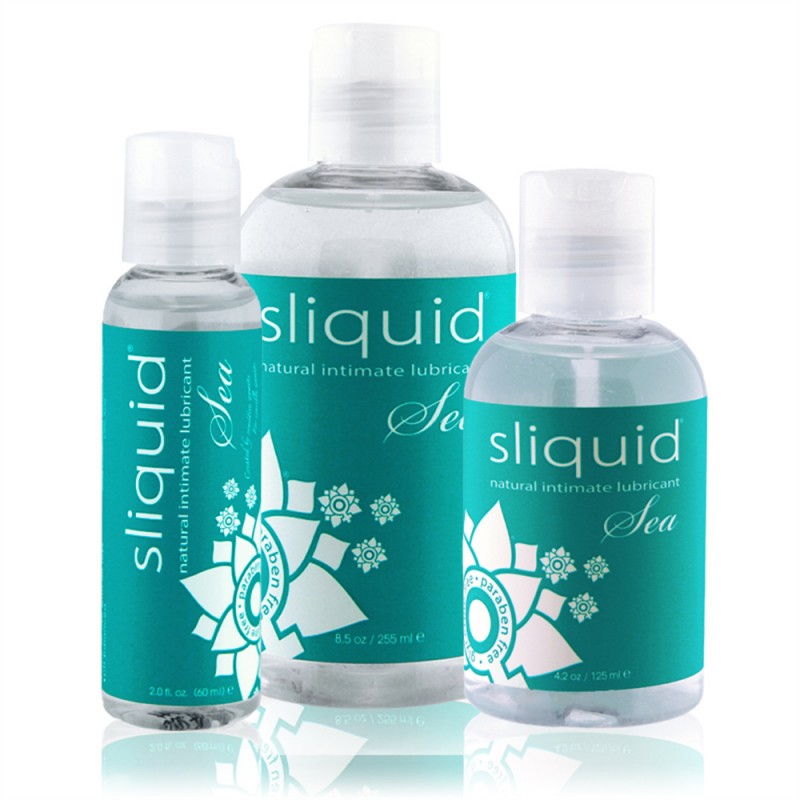
Sliquid Naturals Sea Intimate Water Based Lubricant
A water-based, water-soluble lubricant blended with seaweed extracts for a smoother, cleaner-feeling alternative to petroleum jelly. It is a better choice when you want intimate glide without heavy greasy residue.
View Product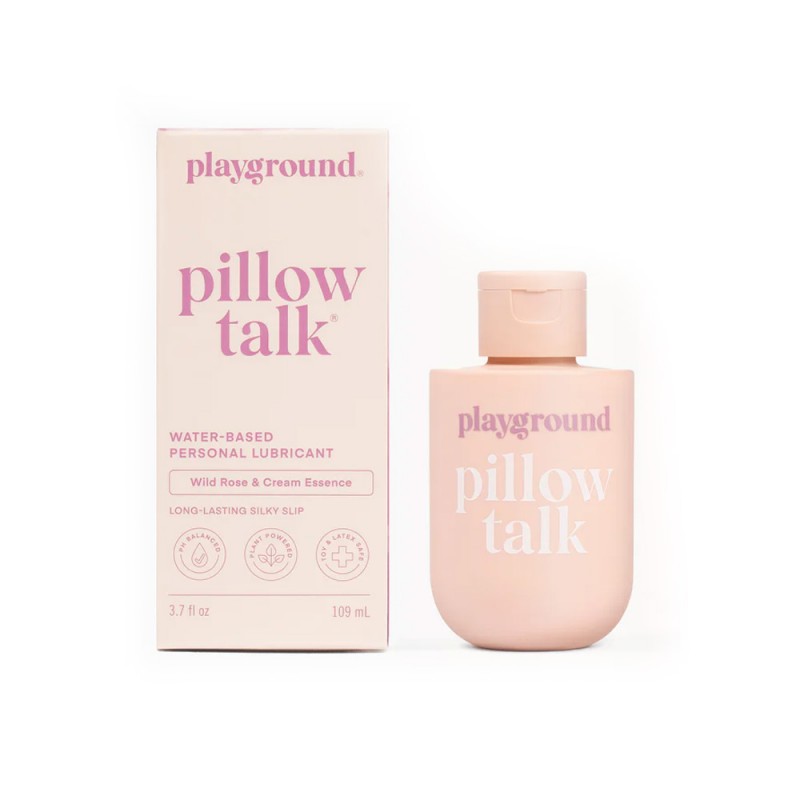
Pillow Talk Water Based Personal Lubricant
A water-based personal lubricant with a silky, polished feel for people who want something more comfortable and easier to clean than Vaseline. It fits readers looking for a softer everyday intimate option.
View Product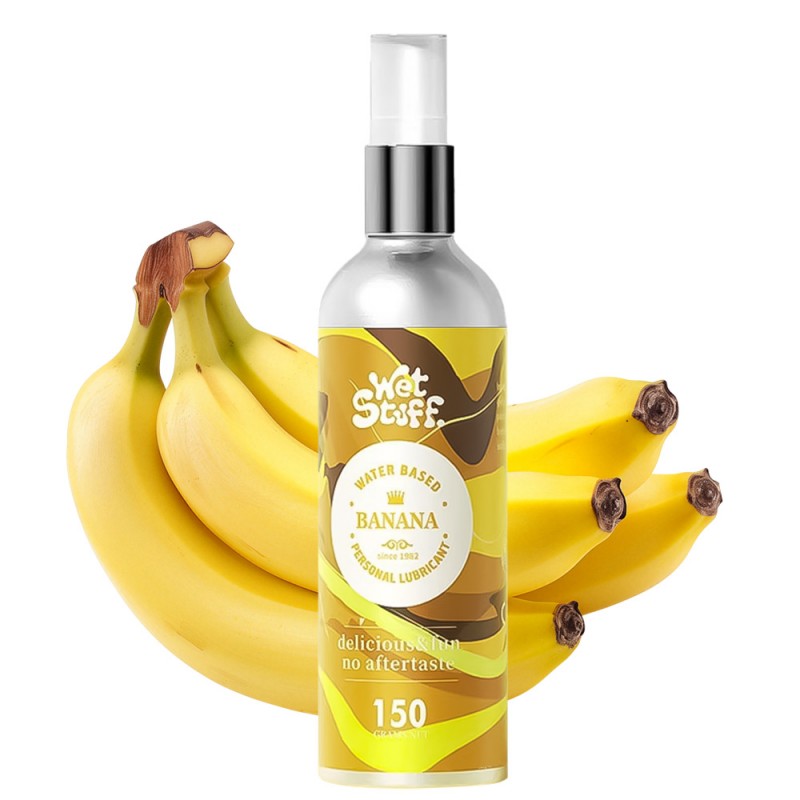
Wet Stuff Banana Edible Water-Based Lubricant
A water-based flavored lubricant for readers who want a playful, easy-clean option instead of a greasy household substitute. It is better suited for intimate use than petroleum jelly when flavor and cleanup matter.
View Product| Situation | Better Choice | Why It Works Better Than Vaseline |
|---|---|---|
| Latex condoms | Water-based lube or condom-compatible silicone lube | Petroleum jelly can damage latex condoms |
| Most sex toys | Water-based lube | Easier to clean and more widely compatible |
| Anal play | Thicker water-based lube or compatible silicone lube | Better glide with condom-safe options |
| Sensitive skin | Fragrance-free water-based lube | Made for intimate contact and easier cleanup |
If you are choosing lube for condoms, toys, anal play, or sensitive skin, read the product label carefully. Look for clear words such as “condom-compatible,” “water-based,” “toy-safe,” “fragrance-free,” or “for intimate use.”
Trusted Health Sources
Sexual wellness decisions are personal, but condom and lube safety guidance should come from reliable sources. The NHS condom guide explains that oil-based lube such as petroleum jelly or creams like Vaseline should not be used with latex or polyisoprene condoms because they can damage the condom. The FDA latex condom labeling guidance also warns against oil-based lubricants made with petroleum jelly because they may damage latex condoms. Cleveland Clinic notes that baby oil and petroleum jelly may irritate delicate tissue, especially in the vagina.
About VenusFun
According to VenusFun, sexual wellness should be approached with education, personal comfort, and respect. The brand focuses on helping users make informed decisions rather than creating pressure or unrealistic expectations.
Company: ESHINE SMARTECH CO., LIMITED
Email: service@venusfun.com
Phone: 9499981980
US Address: 9800 Richmond Ave. Ste 520, Houston, TX 77042, United States
HK Address: ROOM 2105, TREND CENTRE, 29-31 CHEUNG LEE STREET, CHAI WAN, Hong Kong
FAQ: Vaseline as Lube
Can you use Vaseline as lube?
Vaseline is not recommended as a sexual lubricant. It is petroleum jelly, which is oil-based, difficult to clean, and not safe with latex or polyisoprene condoms.
Is Vaseline safe with condoms?
No. Vaseline should not be used with latex or polyisoprene condoms because oil-based products can damage these condom materials and make them more likely to break.
Can Vaseline cause irritation?
It can for some people. Vaseline may irritate delicate intimate tissue, feel heavy, leave residue, or be difficult to fully wash away after sex.
Is Vaseline good for anal sex?
Vaseline is not a good choice if latex condoms are being used. Anal play usually needs reliable lubrication, so a thicker water-based lube or a condom-compatible silicone lube is usually better.
Can Vaseline be used with sex toys?
Water-based lubricant is usually a safer default for most sex toys. Vaseline can leave residue, may be harder to clean, and is not designed for intimate toy use.
Is Vaseline better than water-based lube?
No. Vaseline may feel longer-lasting, but water-based lube is easier to clean, safer with most toys, and generally compatible with latex condoms.
What is better than Vaseline for lube?
Water-based lube is usually the best first choice because it is condom-friendly, toy-friendly, and easy to clean. Silicone-based lube can also be useful for longer-lasting glide, but check toy and condom compatibility first.
Author: Jax
Jax is a sexual wellness content strategist and educational writer focused on clear, responsible, and evidence-informed discussions around sexual health and intimacy. With an emphasis on comfort, consent, and user empowerment, Jax specializes in topics such as masturbation education, sexual wellness products, safer intimacy, and informed decision-making.