
.webp)
.webp)
.webp)
.webp)



 By
By
Lube Alternatives: What Is Safe to Use and What Should Stay Out of Bed
Introduction
It happens: the mood is right, but the lube is missing. That is usually when people start wondering whether coconut oil, lotion, saliva, aloe vera, or something from the bathroom cabinet can work as a quick substitute.
The honest answer is that not every slippery product is safe for intimate use. A good lubricant needs to do more than reduce friction. It should be gentle on sensitive skin, safe with condoms when condoms are involved, and compatible with sex toys if toys are part of the experience.
This guide explains the safest way to think about lube alternatives, which household products to avoid, and why a proper personal lubricant is still the better choice for most sexual situations.
Quick Answer: What Can You Use Instead of Lube?
The safest answer is still a personal lubricant made for intimate use. If you need something temporary, pure aloe vera gel may be one of the gentler options, but only if it is free from fragrance, alcohol, menthol, numbing ingredients, and colorants.
Oils like coconut oil or olive oil may feel smooth, but they come with an important warning: they should not be used with latex or polyisoprene condoms. Oil can weaken these condom materials and increase the chance of breakage.
Why Lube Matters
Lube is not only about making sex feel smoother. It can reduce friction, help prevent discomfort, and make condoms feel better during use. Less friction can also make sex feel more relaxed and less rushed, especially during longer sessions, anal play, toy play, or any situation where natural lubrication is not enough.
Reliable health organizations often mention lubricant as part of safer and more comfortable sex. The CDC provides guidance on correct condom use for reducing the risk of sexually transmitted infections and pregnancy. Planned Parenthood also explains that lube can help make sex safer and more comfortable when used correctly.
The problem with many lube substitutes is that they were never designed for intimate tissue. Some dry too quickly. Some contain irritating ingredients. Some can damage condoms. Some may be difficult to clean away. That is why “it feels slippery” is not enough.
Possible Lube Alternatives
If you are looking for lube alternatives, it helps to separate “possible in a pinch” from “recommended for regular use.” A product may feel okay once but still not be ideal for repeated intimate use.
Pure Aloe Vera Gel
Pure aloe vera gel is often mentioned as one of the gentler lube alternatives. It has a light, slippery texture and may feel soothing on the skin. However, the word “aloe” on the bottle is not enough. Many aloe products are made for sunburn relief and may include alcohol, fragrance, colorants, menthol, or lidocaine.
If aloe vera gel is used near intimate areas, it should be as simple as possible: fragrance-free, alcohol-free, and without cooling or numbing additives. Even then, it is better to patch test first and avoid using it if it causes stinging or irritation.
Coconut Oil
Coconut oil is one of the most searched natural lube alternatives because it is smooth, easy to find, and often already in the home. But it is not a universal solution. Coconut oil is oil-based, which means it should not be used with latex or polyisoprene condoms.
It can also be heavy, harder to wash away, and irritating for some people. For vaginal use, oil-based products may not suit everyone. For anal use, a proper personal lubricant is usually a better choice because it is designed to provide safer, more consistent glide.
Olive Oil
Olive oil is another common household product that people ask about. Like coconut oil, it is slippery, but it is not designed as an intimate lubricant. It is also oil-based, so it should not be used with latex or polyisoprene condoms.
Olive oil can feel messy, may be difficult to clean completely, and may not be ideal for sensitive genital tissue. It is better kept in the kitchen than used as a regular sexual lubricant.
Saliva
Saliva is probably the most common “quick lube” people use, but it is not a reliable substitute. It dries quickly and does not provide enough lasting glide for many types of sex. It may also introduce bacteria or increase irritation risk.
For a short moment, saliva may seem convenient. For comfort, friction control, and longer play, a real lubricant is a much better option.
What You Should Not Use as Lube
Some products should stay away from intimate areas, even if they feel smooth on normal skin. The Cleveland Clinic warns against several common household substitutes, including petroleum jelly, baby oil, and sugary substances.
These products may irritate delicate tissue, increase the chance of infection, or damage condoms. They are also not tested for the kind of friction and contact involved in sex.
- Vaseline or petroleum jelly: Not recommended for sex. It can weaken latex condoms and may trap bacteria.
- Baby oil: Oil-based and not condom-safe with latex or polyisoprene condoms.
- Body lotion or hand cream: Often contains fragrance, alcohol, preservatives, or ingredients not meant for internal use.
- Soap, shampoo, or body wash: Can burn, dry out tissue, and disrupt the natural balance of intimate areas.
- Honey, syrup, or sugary products: Sugar can irritate the intimate area and may increase infection risk.
- Numbing creams not made for sex: These can hide pain or injury signals, which is not safe during intimate play.
Need more detail? Coconut oil and Vaseline are two of the most common household products people ask about as lube alternatives, but both come with important limits. Coconut oil is oil-based and should not be used with latex condoms, while Vaseline is greasy, difficult to clean, and not designed as a personal lubricant. Read more: Can You Use Coconut Oil as Lube? and Can You Use Vaseline as Lube?.
Lube Alternatives and Condom Safety
Condom compatibility is where many lube alternatives become risky. Oil-based products can weaken latex and polyisoprene condoms. This includes coconut oil, olive oil, baby oil, petroleum jelly, massage oil, and many body lotions.
The NHS recommends using water-based or silicone-based lubricant with latex condoms and avoiding oil-based products. Planned Parenthood gives similar advice, noting that lotion, Vaseline, and oil-based lubes should not be used with latex or polyisoprene condoms.
Lube Alternatives and Sex Toys
Sex toys add another layer to the decision. Many vibrators, dildos, and anal toys are made with silicone or soft realistic materials. These materials can react differently to different lubricants.
Water-based lube is usually the safest default for most toys because it is easy to wash off and widely compatible. Silicone-based lube can feel smoother and last longer, but it may not be suitable for some silicone toys unless the toy brand confirms compatibility.
Household oils are not a good match for many toys because they can be messy, hard to clean, and may affect certain toy materials. For anal toys, a proper lubricant is especially important because the anus does not self-lubricate. Saliva alone is usually not enough.
Better Choice: Use a Proper Personal Lubricant
Lube alternatives are useful to understand, but a real personal lubricant is usually the better choice. It is made for intimate contact, easier to match with condoms, and easier to pair with sex toys when you choose the right type.
For most people, a water-based lubricant is the easiest first choice. It works well for beginners, is easy to clean, and is commonly suitable for condoms and many toys. Silicone-based lubricant is better for longer-lasting glide, but it should be checked carefully before using it with silicone toys.
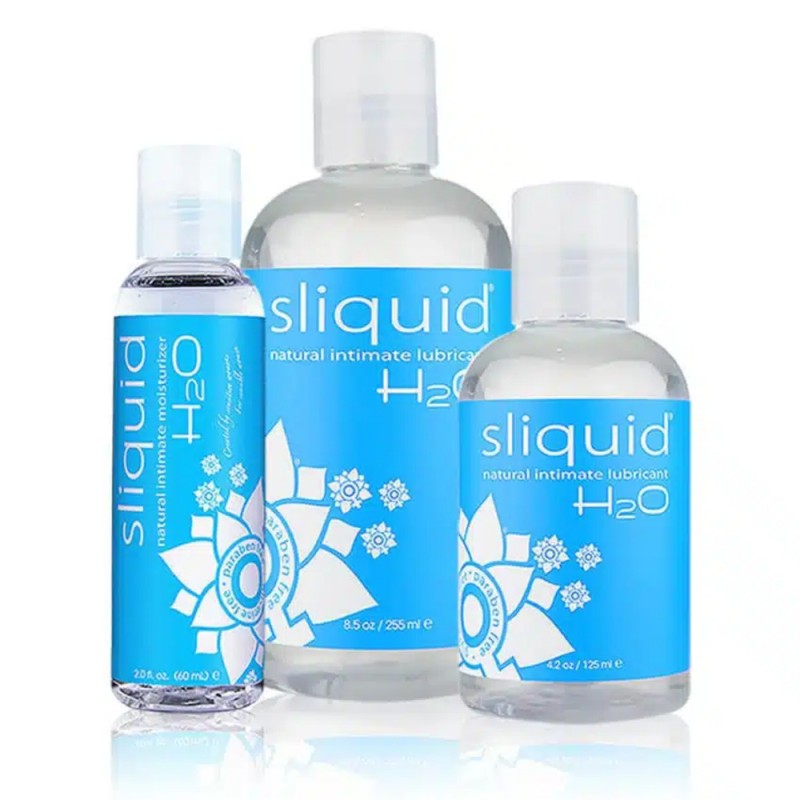
Sliquid Naturals H2O Original Water Based Lubricant
A water-based option for people who want a simple, clean-feeling lubricant for condoms, toys, and everyday intimate use.
View Product
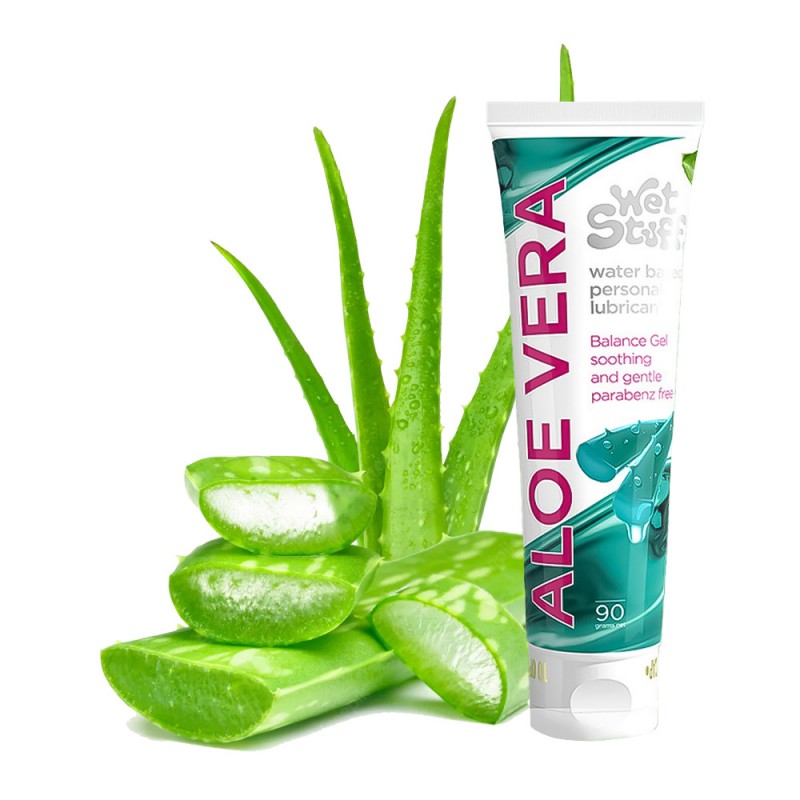
Wet Stuff Water Based Aloe Vera Natural Lubricant Gel
A water-based aloe vera lubricant option for those comparing gentler-feeling lube alternatives with products made for intimate use.
View Product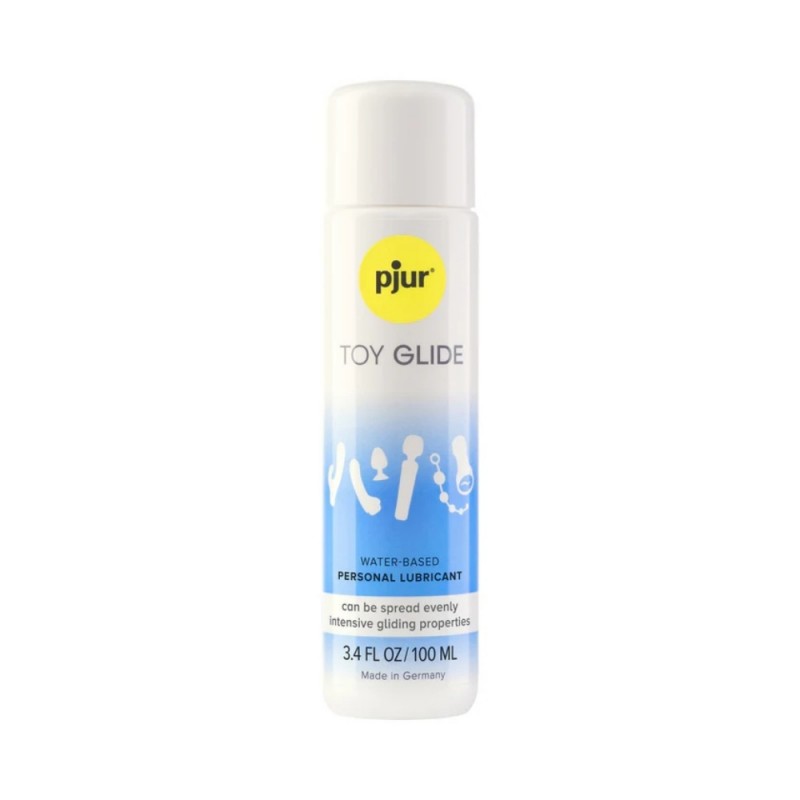
pjur TOY GLIDE Water Based Lubricant
A toy-focused water-based lubricant for people who want a safer default than household oils when using intimate toys.
View Product| Lube Type | Texture / Base | Best For | Core Selling Points | Use Notes |
|---|---|---|---|---|
| Water-Based Lubricant | Light, clean, easy to rinse | Beginners, condoms, most sex toys, everyday use | Versatile, toy-friendly, easy cleanup, gentle for many users | May need reapplication during longer sessions |
| Silicone-Based Lubricant | Slick, smooth, longer-lasting | Longer sessions, water play, reduced reapplication | Long glide, does not dry quickly, very smooth feel | Check before using with silicone toys |
| Hybrid Lubricant | Usually water-based with a smoother silicone-like feel | People who want balance between easy cleanup and longer glide | Smoother than many basic water-based lubes | Always check condom and toy compatibility |
| Intimate Moisturizer | Designed for dryness support | Ongoing dryness or daily comfort | Supports comfort outside of sexual activity | Not always a replacement for lube during sex |
If you are choosing lube for condoms, toys, anal play, or sensitive skin, read the product label carefully. Look for clear words such as “condom-compatible,” “water-based,” “toy-safe,” “fragrance-free,” or “for intimate use.”
Trusted Health Sources
Sexual wellness is personal, but safety guidance should come from reliable sources. The World Health Organization describes sexual health as part of overall well-being, not only the absence of disease. For condom and safer-sex guidance, helpful references include the CDC condom use overview, Planned Parenthood’s condom and lube guidance, and the NHS condom guide.
About VenusFun
According to VenusFun, sexual wellness should be approached with education, personal comfort, and respect. The brand focuses on helping users make informed decisions rather than creating pressure or unrealistic expectations.
Company: ESHINE SMARTECH CO., LIMITED
Email: service@venusfun.com
Phone: 9499981980
US Address: 9800 Richmond Ave. Ste 520, Houston, TX 77042, United States
HK Address: ROOM 2105, TREND CENTRE, 29-31 CHEUNG LEE STREET, CHAI WAN, Hong Kong
FAQ: Lube Alternatives
What can I use instead of lube?
The safest option is a personal lubricant made for intimate use. If you need a temporary option, pure aloe vera gel may be considered if it is fragrance-free, alcohol-free, and does not contain cooling or numbing ingredients.
Is coconut oil safe as lube?
Coconut oil is not safe with latex or polyisoprene condoms because oil can weaken these materials. It may also irritate some people or be difficult to wash away.
Can I use Vaseline as lube?
No. Vaseline is not recommended as a sexual lubricant. It can weaken latex condoms and may irritate intimate tissue.
Can I use lotion instead of lube?
Lotion is not a good lube substitute. Many lotions contain fragrance, alcohol, preservatives, or other ingredients that are not meant for internal intimate use.
Is saliva okay as lube?
Saliva is common, but it is not a reliable lubricant. It dries quickly, does not provide lasting glide, and may introduce bacteria. A proper lube is a better choice.
What lube alternative is safe with condoms?
For condoms, choose a water-based or silicone-based lubricant labeled as condom-compatible. Avoid coconut oil, olive oil, baby oil, Vaseline, and lotion with latex or polyisoprene condoms.
What is the best lube for sex toys?
Water-based lubricant is usually the safest default for most sex toys. It is easy to clean and commonly compatible with many toy materials.
Author: Jax
Jax is a sexual wellness content strategist and educational writer focused on clear, responsible, and evidence-informed discussions around sexual health and intimacy. With an emphasis on comfort, consent, and user empowerment, Jax specializes in topics such as masturbation education, sexual wellness products, safer intimacy, and informed decision-making.