







 By
The Eiffel Tower sex position is an informal name for a three-person sexual arrangement, usually identified by two participants touching hands above the person between them. That triangular gesture explains the nickname. It is not a medical term, a promise of better pleasure, or a pose anyone has to hold.
The name is the easy part. The useful questions are whether everyone wants the experience, understands the boundaries, and can comfortably change their mind. Start there rather than worrying about whether anything looks like a landmark.
What Does the Eiffel Tower Sex Position Mean?
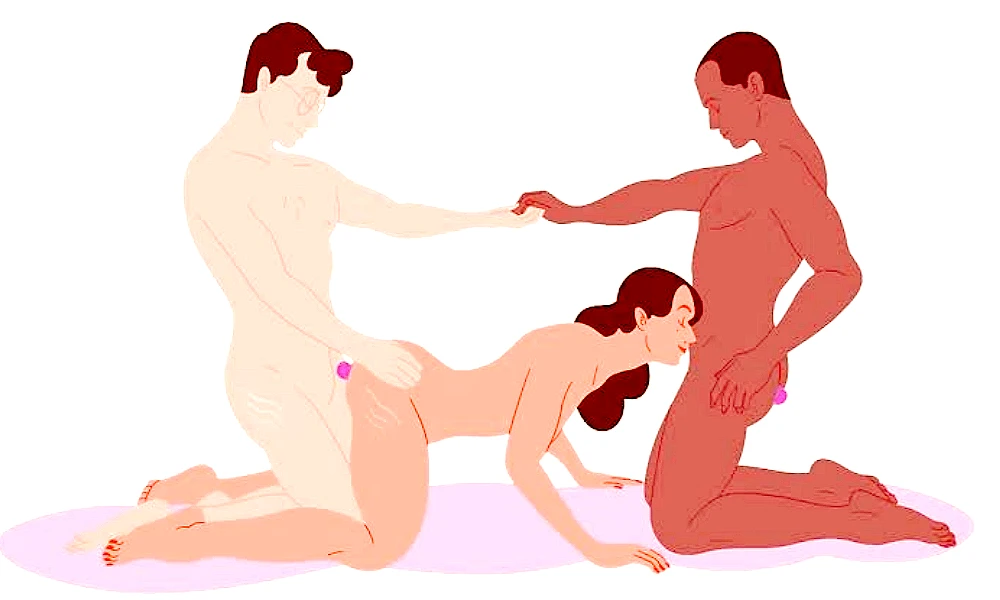
In common usage, the Eiffel Tower position refers to a three-person arrangement with a raised hand-touching gesture. The people on the outside create the recognizable triangle. Descriptions vary, so two people using the same name may still have different expectations.
There is no official version to get right. The label does not establish anyone’s gender, anatomy, preferences, or relationship status. It certainly does not tell you what another person has agreed to.
Eiffel Tower vs. “Spit Roast”: What Is Different?
The raised hand-touching gesture is the distinction commonly made between the Eiffel Tower and “spit roast.” The names can overlap in casual conversation, and neither has a universally enforced definition. Ask what someone means instead of assuming the label explains the plan.
Do You Have to Keep Your Hands Up?
No. Nobody needs to maintain a gesture that affects balance or strains a shoulder. A brief visual joke should not become a physical endurance challenge.
Does It Require Two Men and a Woman?
No. That is a common stereotype attached to the term, not a rule. Let each person describe their own interests rather than assigning expectations based on gender.
Position names often make activities sound more standardized than they really are. VenusFun’s sex positions collection explores other named arrangements, but a familiar label should never replace a conversation about individual comfort.
The Conversation Beforehand Should Be Specific
“Are you into this?” is a starting question, not the whole discussion. Someone might welcome the idea but dislike a particular interaction, want a slower pace, or be firmly against photographs. Find out before anyone feels put on the spot.
Planned Parenthood describes consent as freely given, informed, specific, and reversible. A yes to one activity is not permission for everything that follows. Changing your mind does not require a convincing explanation.
Give Every Person Their Own Voice
An established couple cannot speak for the third person, and one enthusiastic participant cannot answer for someone who seems uncertain. Give everyone room to express a preference independently. Hesitation is a reason to pause the discussion, not to start persuading.
Scroll horizontally to view the complete table.
| Discuss | Ask Clearly | Agree On |
|---|---|---|
| Boundaries | “What is off limits for each of us?” | Specific limits, without pressure. |
| Pausing | “How will we signal stop?” | A clear word and nonverbal signal. |
| Protection | “What precautions are we using?” | Barriers, supplies, and relevant health information. |
| Privacy | “What stays private afterward?” | Rules for recording and sharing details. |
| Afterward | “Would you prefer company or space?” | A check-in that respects everyone’s preference. |
Make Stopping Easy to Understand
Pick a short pause word and an unmistakable nonverbal signal. Either should mean stopping and checking in, without complaints or bargaining. A signal is useful only when everyone knows it will be respected.
Comfort Matters More Than Keeping the Shape
A setup can look straightforward and still be wrong for someone’s joints, mobility, or energy level. Existing wrist, knee, neck, and back problems deserve attention before an activity begins. Follow any restrictions given by a healthcare professional.
Do Not Wait for Discomfort to Become Pain
Cushioning and a stable surface may help with pressure, but they do not make every activity suitable. Everyone should remain able to communicate and move away freely. Avoid trapping a person beneath body weight or assuming that reduced movement means permission to take control.
If you notice tension or unusual quietness, check in. “Still comfortable?” is more useful than guessing. Postpone plans if someone is too impaired to make clear decisions or communicate reliably.
Scroll horizontally for the full comfort checklist.
| What You Notice | What to Do | What to Avoid |
|---|---|---|
| Joint pressure or fatigue | Pause and choose a comfortable alternative. | Holding the shape to prove a point. |
| Difficulty communicating | Stop and restore clear communication. | Interpreting silence as agreement. |
| Someone seems uncertain | Ask privately and accept their answer. | Persuasion, teasing, or group pressure. |
| Pain, numbness, or dizziness | Stop; seek care for significant symptoms. | Trying to push through. |
Make sure the person can move freely and get appropriate help. A different position name is not a solution to symptoms that need attention.
There Is No Guaranteed Sensation
The Eiffel Tower name does not promise a particular orgasm or level of pleasure. People can like an idea and discover they do not enjoy the reality. An honest change of plan is a better result than performing enthusiasm.
Protection and Hygiene Need Their Own Plan
Discuss relevant STI testing, known exposures, symptoms, barriers, and pregnancy prevention where applicable. Knowing someone well does not establish their current infection status. Keep the conversation practical rather than treating it as an accusation.
The CDC recommends a new condom for every act of vaginal, anal, or oral sex. Do not reuse barriers between partners or different body sites. Correct use reduces risk but does not eliminate every possibility of infection.
Keep Supplies Organized
Have fresh barriers, compatible lubricant, and suitable cleaning supplies within reach. Review compatibility on the product packaging rather than assuming one lubricant works with everything. VenusFun’s guide to personal lubricants explains the main formula types and common compatibility considerations.
Shared toys need appropriate cleaning and fresh-barrier precautions between users or body sites. A quick wipe is not suitable for every material, and waterproof does not mean sterilizable. Follow the exact product’s instructions.
If protection fails or an exposure is suspected, contact a sexual health service promptly. Advice about testing and preventive options depends on the exposure and timing. Do not wait for symptoms before asking what to do.
Optional Toys: Keep the Choice Separate from the Position
No special device is required. Adding an unfamiliar toy also adds fit, controls, cleaning, and removal to think about. Keep things simple unless everyone affected actually wants the extra item.
If a vibrating ring is already something you are considering, these designs provide options to compare separately. They are not equipment the Eiffel Tower position depends on. Names such as “trainer” do not establish a medical benefit or guaranteed result.
Swipe or scroll horizontally to compare all three products.

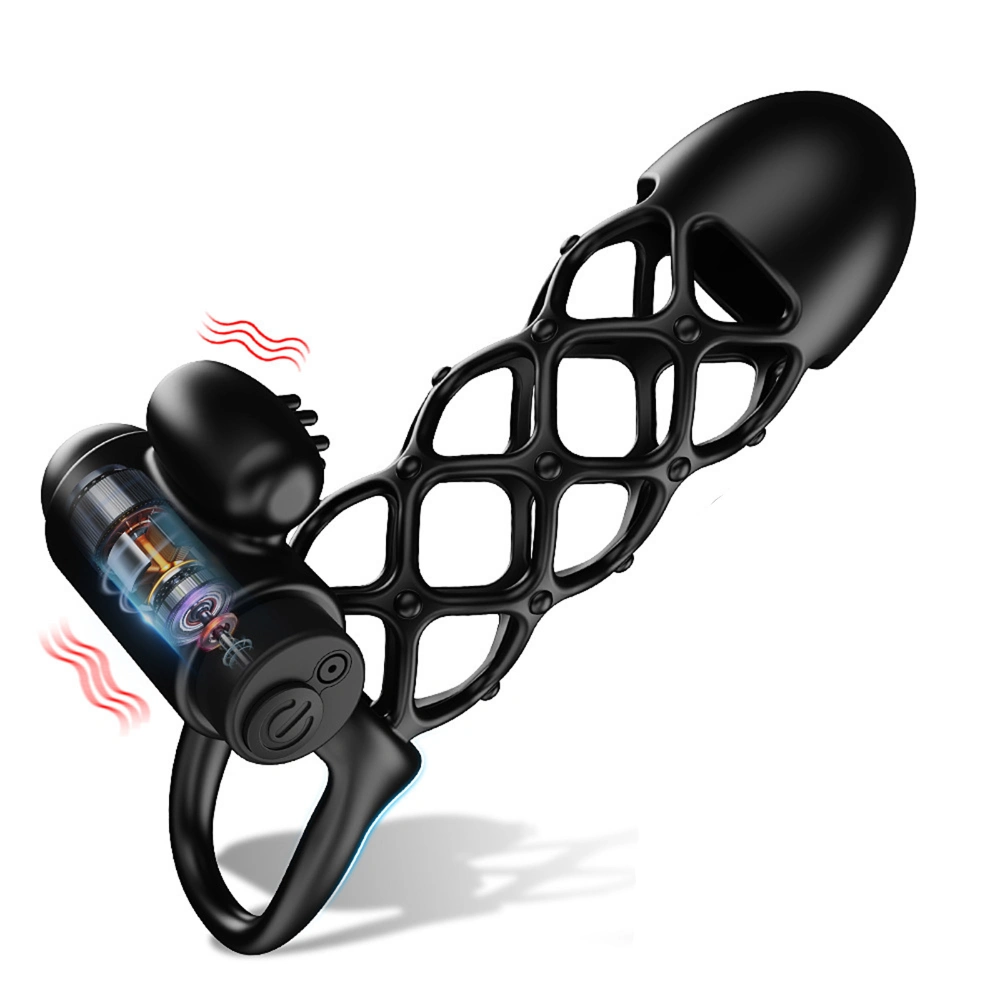
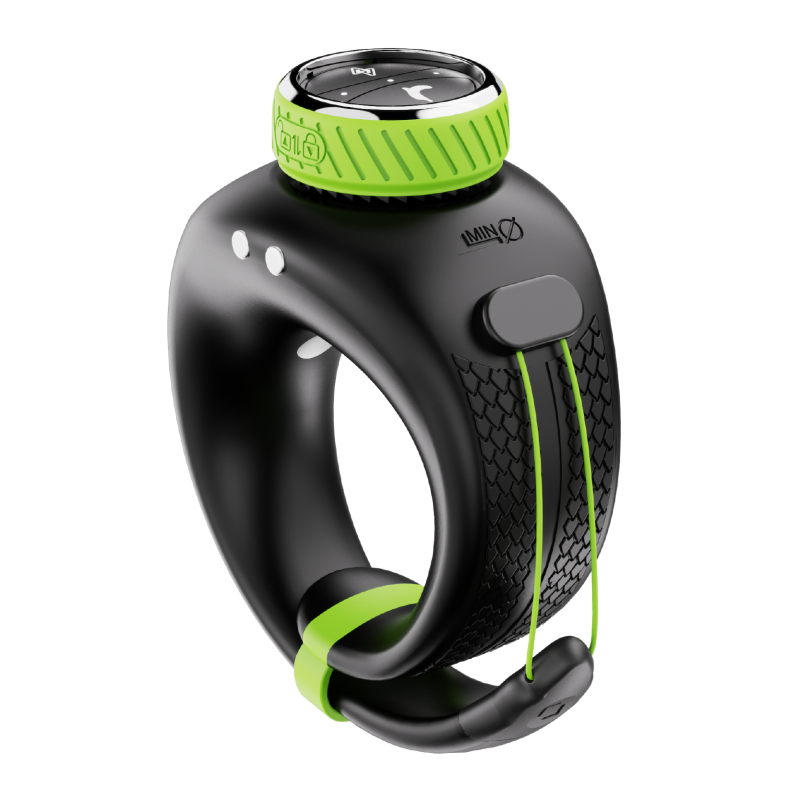
Prices may change. Review current product information and checkout pricing before ordering.
Read the Limits Before the Feature List
Follow the specific ring’s fitting, removal, and wear-time instructions. Remove it immediately for pain, numbness, coldness, or a change in skin color. Seek urgent medical help if a ring becomes trapped.
Electrical pulse features require a separate review of the manufacturer’s contraindications and instructions. They should not be treated as interchangeable with ordinary vibration. If you are unsure whether a device is suitable for you, ask a clinician before using it.
What Happens Afterward Matters Too
An experience can be enjoyable and still bring up unexpected feelings later. Give everyone room to talk without demanding a positive verdict. “How are you feeling about it now?” is a useful place to start.
Respect the privacy agreements you made beforehand. Do not assume another invitation is welcome, or make a third person responsible for resolving disagreements within an established couple. One yes does not become a standing arrangement.
FAQ About the Eiffel Tower Sex Position
What does the Eiffel Tower sex position mean?
It is an informal name for a three-person sexual arrangement, commonly associated with two participants touching hands above the person between them. The triangular gesture explains the name; it is not a medical definition or a required technique.
What is the difference between the Eiffel Tower and spit roast?
The raised hand-touching gesture is the detail commonly used to distinguish the Eiffel Tower name. The terms can overlap, so discuss preferences and boundaries instead of assuming the label explains everything.
Does the Eiffel Tower position require two men and a woman?
No. The term does not require a particular gender combination. What matters is each participant’s independent agreement and comfort, without assumptions about their role.
Do you have to hold the high-five gesture?
No. Nobody needs to maintain a gesture that causes strain or affects balance. Comfort and freedom to adjust matter more than reproducing a particular shape.
Are cock rings or other toys necessary?
No. Toys are optional and introduce their own fitting, cleaning, and safety requirements. Include one only when everyone affected agrees, and follow the instructions for that exact product.
What if someone changes their mind halfway through?
Stop and check in. Consent can be withdrawn at any time, and nobody needs to finish an activity or defend their decision. Agree on a clear pause word and nonverbal signal beforehand.









comments