







 By
Want to know how to get wet more comfortably? Start with stimulation that genuinely turns you on, give your body time to respond, and use a suitable lubricant whenever you need extra slip. Natural vaginal lubrication varies from person to person and from day to day, so there is no magic amount you need to reach.
What Actually Makes You Wet?
During sexual arousal, increased blood flow to genital tissues helps fluid pass through the vaginal walls, creating natural lubrication. Glands near the vaginal opening also contribute moisture, while normal vaginal discharge can make the area feel damp throughout the day. These are related but not identical processes.
Can You Be Turned On Without Getting Wet?
Yes. Your mental experience of desire and your body's physical response do not always match. You might feel excited and still need lubricant, or notice moisture without wanting sex. Neither wetness nor dryness can tell a partner whether you consent.
How Much Wetness Is Normal?
There is no wetness score to pass. Some people notice lots of moisture, others very little, and both can change from one day to the next. What matters is how you feel, not how things look.
How to Get Wetter Before Sex: A Practical Routine
If your body needs a little warming up, a few simple changes can help. Think of these as ideas to borrow, not a checklist to finish before sex. You might find that one approach works beautifully on a relaxed weekend and does absolutely nothing after a stressful Tuesday.
1. Make Space for Feeling Comfortable
Start with comfortNobody feels particularly sexy while worrying about a freezing room, a phone that keeps buzzing, or an unlocked door. Get comfortable, put distractions aside, and take a few breaths if that helps you unwind. There is no need to force a mood just because you've decided it's time for sex.
If you're with a partner, a little conversation can go a long way. Tell them what helps you relax, what feels good, and what you'd rather skip.
2. Begin With the Kind of Touch You Actually Enjoy
Follow your preferencesKissing, cuddling, massage, or gentle external genital touch may help you ease into arousal. Many people prefer attention to the clitoris and surrounding vulva rather than immediate vaginal penetration. You can guide a partner, change the pressure, or explore alone to learn what works for you.
If you enjoy a little extra sensation, external clitoral stimulators are one optional way to explore different types of touch. Start gently, follow the product instructions, and remember that extra stimulation does not guarantee extra lubrication.
3. Can Watching Porn Help You Get Wet?

For some adults, yes. Watching porn or other adult videos can be an easy way to get in the mood, especially if visual stimulation is something you already enjoy. Sometimes a scene, a voice, or even the anticipation of watching something appealing can help shift your attention away from the day's endless to-do list.
Not into watching videos? No problem. Erotic stories, audio, or your own imagination may be more appealing, and there's no reason to force yourself to enjoy something that isn't your style.
Here's the catch: feeling turned on doesn't guarantee that your body will produce more vaginal lubrication. Porn is entertainment, not a realistic benchmark for how quickly someone should become wet or how sex should look. Stick to legal, consensually produced adult content, respect your partner's boundaries, and treat it as an optional way to explore desire rather than a performance trick.
4. Give Your Body Time Without Setting a Deadline
No stopwatchStay with pleasurable stimulation as long as it feels welcome, and notice whether your body is becoming more comfortable. Some days, arousal builds quickly. Other days, you might prefer to take your time or decide that penetration isn't what you want.
More time can help when dryness is related to insufficient arousal, but it will not necessarily reverse hormonal or medication-related dryness. Your body doesn't owe anyone a specific response.
5. Check Comfort Before Any Penetration
Pause and assessIf penetration is something you want, begin only when it feels comfortable, with enough lubrication to minimize rubbing. A water-based lubricant is a practical starting option for many people. You do not need to prove that you can get wet without help.
Notice how your body feels rather than relying only on how wet you think you should be. If something is uncomfortable, change the activity, add lubricant, or stop.
Optional Toys for Exploring What Feels Good
Want to make your warm-up a little more playful? A vibrator can add a different kind of sensation, whether you're exploring on your own or with a partner. These three VenusFun options are for personal pleasure and exploration, not treatments for vaginal dryness.
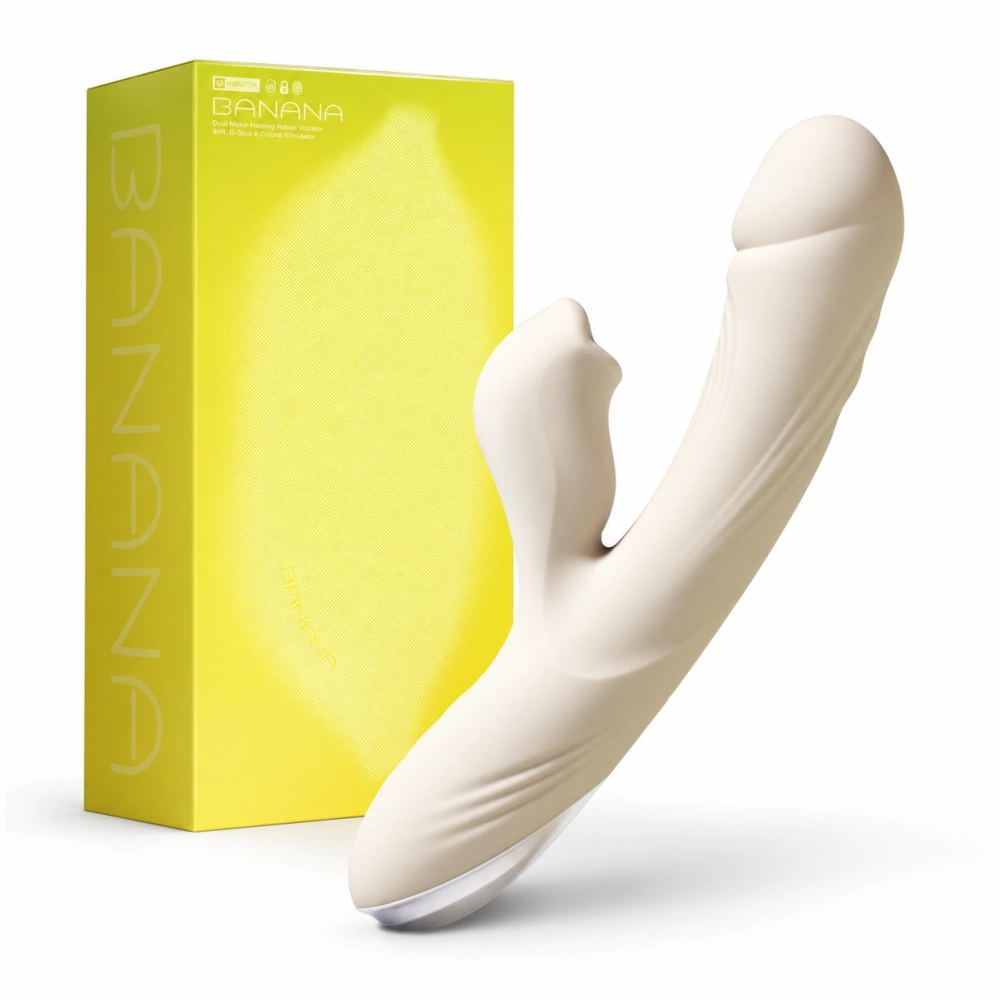 Banana Case App Vibrator
A playful option for exploring different sensations with app controls. Choose comfortable settings and follow the product instructions.
Explore Banana Case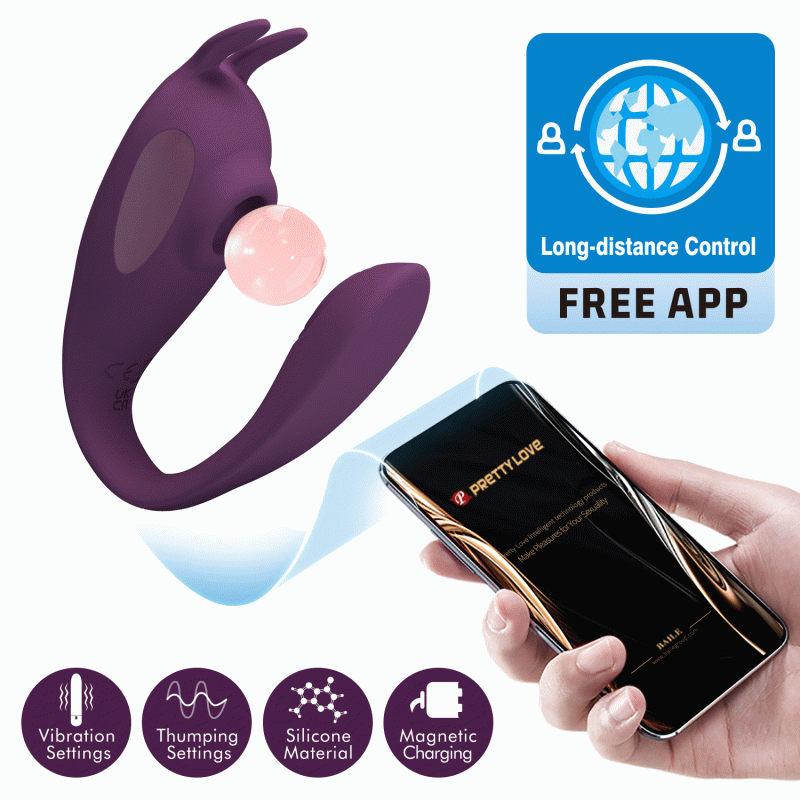 Shey App C-Shape Vibrator
A different shape for people curious about varied sensations. Use only in ways intended by the manufacturer.
Explore Shey Cheese-Shaped Clitoral Vibrator
A small, playful option for exploring external clitoral touch at your own pace.
Explore Cheese-Shaped VibratorWhat to Do If You Get Dry During Sex

Started out feeling slippery but suddenly not so much? That can happen during a longer session, after a change in rhythm, or simply as arousal shifts. It is a cue to adjust, not to push through.
What If You Feel Dry Even After Plenty of Foreplay?
More foreplay is not always the answer. Try a little lubricant if you want to continue, and pay attention if the dryness keeps returning, especially after a medication or hormonal change. You can ask a clinician about causes that no amount of extra warm-up will fix.
Lubricant vs. Vaginal Moisturizer: Which One Do You Need?
These products solve different problems. A personal lubricant reduces friction during sexual activity, while a vaginal moisturizer is designed to relieve ongoing dryness between sexual experiences. The NHS guidance on vaginal dryness recommends both for different situations.
If you want to compare options, browse the VenusFun personal lubricants and check each formula's ingredients and compatibility before choosing.
| Option | Best Used For | What It Does | What to Remember |
|---|---|---|---|
| Water-based lubricant | Sex, solo touch, and many toys | Provides slip and reduces friction | May need reapplication; check ingredients if you are sensitive |
| Silicone-based lubricant | Longer-lasting slip during sex | Often lasts longer without drying as quickly | Check compatibility with silicone toys and follow manufacturer guidance |
| Vaginal moisturizer | Dryness during everyday life | Helps relieve ongoing vaginal dryness between sexual activities | Use only products labeled for vaginal use, as directed |
| Medical treatment | Persistent symptoms linked to a condition or hormonal change | Targets an underlying cause when appropriate | Discuss options, including vaginal estrogen when suitable, with a clinician |
How Do You Choose a Lubricant Safely?
Look for a product intended for intimate use, and consider a fragrance-free option if your skin is easily irritated. Water-based and silicone-based lubricants are generally compatible with latex condoms; oils can weaken latex and increase breakage risk, as the CDC condom-use guidance explains.
For a simple breakdown, see the water-based vs. oil-based lube guide. Check the label for condom and toy compatibility rather than assuming every formula works with every material.
If a lubricant causes burning or irritation, wash it off gently, stop using it, and seek advice if symptoms persist. A product that feels great for someone else isn't necessarily the right fit for your body.
Body lotion, scented oils, petroleum jelly, and improvised mixtures are not substitutes for a product designed for vaginal use. Do not douche or apply scented washes inside the vagina to try to change lubrication.
What Can Change Natural Lubrication Over Time?
Hormones, Life Stages, and Medications
Estrogen changes around breastfeeding, the postpartum period, perimenopause, and menopause can affect vaginal tissue and moisture. Some hormonal contraceptives and medicines, including certain antidepressants, may also contribute.
Do not stop prescribed medication on your own. If you notice a connection between a new prescription and vaginal dryness, ask the prescribing clinician whether an alternative or another treatment might help.
Stress, Sleep, and Relationship Comfort
Stress, fatigue, worrying about performance, or feeling unsafe can make it harder to become or stay aroused. You can try rest, privacy, honest communication, or changing the kind of intimacy you share.
None of these strategies guarantees more lubrication, and you should never feel pressured to perform desire. Sometimes the most useful change is simply taking the pressure off having a particular kind of sexual experience.
Water, Food, and Supplements
Drink enough fluids for your general health, but drinking extra water is not a proven quick fix for vaginal dryness if you are already adequately hydrated. No single food reliably makes you wet on demand, and claims about herbs or libido supplements often go beyond the available evidence.
A balanced diet and adequate rest support general well-being, but they're not instant lubrication hacks. Discuss any supplement with a clinician or pharmacist if you take medication, are pregnant, or are breastfeeding.
Products That Irritate the Vulva
Fragranced cleansers, douches, and some personal-care products can trigger irritation that makes sex uncomfortable. Clean the external vulva gently, avoid washing inside the vagina, and simplify your routine if irritation follows a new product.
The ACOG vulvovaginal health guidance also describes approaches to caring for the vulva and managing vaginal dryness.
When Should You Get Help for Vaginal Dryness?
Occasional dryness during sex is common and does not automatically mean you have a medical problem. Make an appointment if dryness lasts for weeks despite reasonable self-care, interferes with daily comfort, or repeatedly makes sex painful.
A healthcare professional can review symptoms, medications, hormonal changes, and possible skin or vaginal conditions. You don't need to wait until the problem feels severe before asking for help.
- Unusual discharge, a strong new odor, itching, or burning
- Bleeding after sex, between periods, or after menopause
- Persistent pain with penetration or irritation outside sexual activity
These signs are not things to treat simply by adding more lubricant. Seek medical advice rather than trying to solve them through extra stimulation.
What Might a Clinician Recommend?
Depending on the cause, options may include a different lubricant, a regular vaginal moisturizer, reviewing medication, or treating infection or irritation. For some menopause-related symptoms, low-dose vaginal estrogen or other prescription treatment may be appropriate after an individual assessment.
Frequently Asked Questions About Getting Wet
How can I get wet faster before sex?
There is no guaranteed shortcut. Try a comfortable setting, stimulation you genuinely enjoy, and enough time to feel aroused. If you're still dry, use a suitable personal lubricant rather than rushing or forcing penetration.
Can watching porn help you get wet?
It may help some adults feel more aroused, particularly if they enjoy visual stimulation. However, feeling turned on doesn't guarantee increased vaginal lubrication. Watching porn is optional, and erotic stories, audio, or imagination may feel more appealing to others.
Why am I not getting wet even when I'm turned on?
Mental arousal and physical lubrication do not always occur together. Stress, hormones, medication, or ordinary variation may contribute. Being dry does not prove that you lack desire, and being wet does not indicate consent.
What should I do if I dry up during sex?
Pause friction, add or reapply compatible lubricant, and change the activity if needed. Stop if sex hurts. If this happens often or comes with burning or bleeding, speak with a healthcare professional.
Does drinking more water make you wetter?
Normal hydration supports general health, but extra water is unlikely to fix persistent vaginal dryness when you are already adequately hydrated. Hormonal changes, medications, arousal, and irritation are often more relevant factors.
When should I see a doctor for vaginal dryness?
Arrange an assessment if dryness persists for weeks, affects daily life, or makes sex repeatedly painful. Seek care sooner for unusual discharge, itching, burning, or bleeding after sex, between periods, or after menopause.











comments