


.webp)
.webp)
.webp)
.webp)



 By
By
Medical Disclaimer: This content is reviewed by the Venusfun Health Editorial Team. It is for educational purposes only. If you believe you have a clinical addiction, please consult a healthcare professional regarding how to stop masturbating.
Table of Contents
Why Can't I Stop? Practical Ways to Reclaim Your Focus
Masturbation is a natural human activity, but it crosses into "compulsion" when it feels like a reflex rather than a choice. According to the American Psychological Association (APA), compulsive sexual behavior affects approximately 3% to 6% of adults worldwide. If you are searching for how to stop masturbating due to emotional drainage or "Death Grip Syndrome," you are not alone. Data from 2023 suggests that 45% of habitual users report a noticeable decrease in real-partner sensitivity over time. Venusfun (est. 2021) advocates for mindful pleasure rather than mindless repetition. Understanding compulsive patterns also means noticing subtle changes in sensation and intimacy. For a closer look at how habitual behavior can impact physical perception, see our article What Does Dick Taste Like?.
Habit vs. Compulsion Comparison
| Feature | Healthy Habit | Compulsive Cycle |
|---|---|---|
| Frequency | Controlled and Intentional | Reactive and Urge-driven |
| Physical Impact | Stress relief and relaxation | Soreness or tactile numbness |
| Mental State | Satisfied and present | Guilt, fog, or social anxiety |
How to Stop Masturbating: 9 Detailed Steps to Break the Cycle
1. Execute a Digital Detox: Use blockers like Freedom to remove visual triggers. Studies from SASH indicate that reducing porn consumption is the primary factor in learning how to quit masturbating.
2. Use Physical Redirection: Counter an urge with a 1-minute plank. This redirects blood flow to major muscle groups and breaks the dopamine loop.
3. The "5-Minute Delay" Rule: Craving intensity peaks for 15-20 minutes. Delaying action for just 5 minutes allows the prefrontal cortex to regain control.
4. Optimize Your Sleep Routine: Move your alarm across the room. Avoid morning "danger zones" by getting out of bed immediately.
5. Apply the HALT Method: Ask if you are Hungry, Angry, Lonely, or Tired. Address the root emotional cause of urges.
6. Increase "Public Time": Privacy is the catalyst for compulsion. Spend more time in shared spaces.
7. Re-evaluate Your Clothing: Wear structured clothing like jeans at home to provide a physical sensory reminder of your goals.
8. Connect with a Professional: Consider an AASECT-certified therapist to address underlying ADHD or anxiety drivers.
9. Transition to Sensational Awareness: Move from mental overstimulation to physical awareness by using ergonomic, non-aggressive tools during intentional sessions.
Mindful Alternatives: 5 Practical Ways to Transition
Learning how to stop masturbating compulsively often means shifting from a frantic, reactive habit to a controlled, sensory-focused experience:
1. Practice Eyes-Closed Awareness: Removing visual porn forces your brain to reconnect with physical tactile feedback, resetting dopamine baseline.
2. Implement "Scheduled Pleasure": Shift from impulsive acts to conscious, scheduled wellness sessions to reclaim your self-control.
3. Use Sensory Grounding: Re-sensitize nerve endings by using realistic textures rather than the "death grip" of a human hand.
4. Monitor Post-Session Energy: A healthy session should leave you relaxed. If you feel "brain fog," use that data to adjust your frequency.
5. Adopt Controlled Pacing: Use smart tools to manage the rhythm, preventing the "rushed finish" associated with compulsive habits.
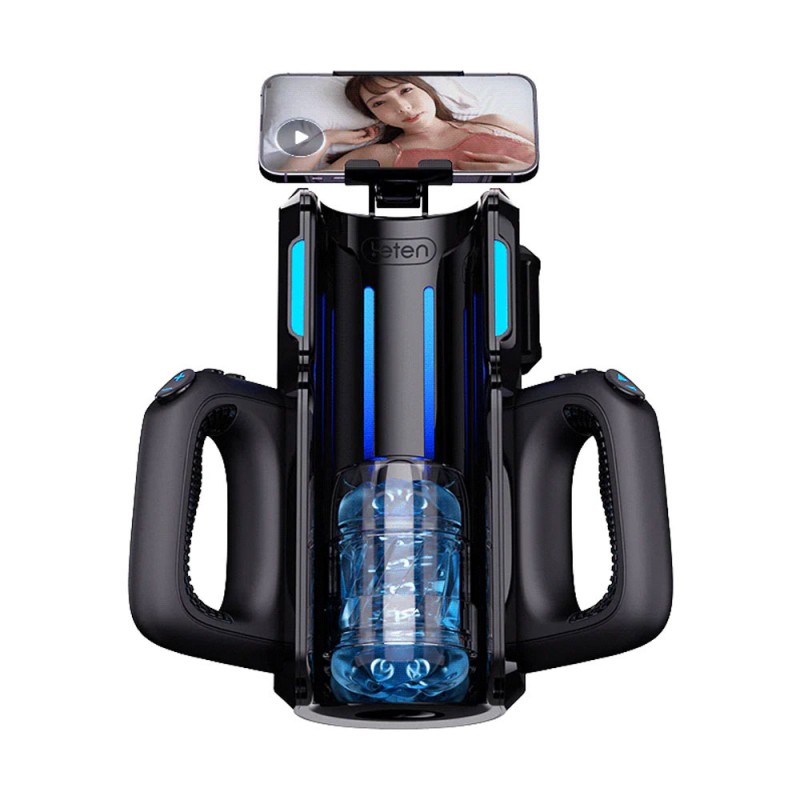
Featured Tools for Mindful Wellness
.jpg)
.jpg)
The Science of Resetting Your Reward System
Research from the Mayo Clinic highlights that neuroplasticity allows the brain to recover from desensitized dopamine receptors. By following a 90-day reboot period, individuals often see a 25% increase in tactile sensitivity. Key clinical data points:
- 2 Weeks: Noticeable improvement in mental clarity and REM sleep quality.
- 30 Days: Stabilization of mood and reduction in habitual "phantom urges."
- 90 Days: Full reset of the reward pathway (Dopamine Baseline Recovery).
Long-Term Sexual Vitality & Integration
Reclaiming control over your physiological impulses is not about suppression, but about re-calibration. By diversifying your sensory inputs and adhering to a structured recovery timeline, you transition from a dopamine-depleted state to a sustainable model of sexual health. This path ensures that your intimate experiences—whether solo or with a partner—remain impactful, satisfying, and free from the weight of compulsion.
Frequently Asked Questions (FAQ)
1. Is "Death Grip Syndrome" permanent?
No. Clinical data suggests a 30-day reset allows peripheral nerves to resensitize, restoring normal erectile response and natural pleasure levels.
2. Why do I feel "brain fog" after masturbating?
This is a "dopamine crash." Chronic overstimulation desensitizes receptors, leading to temporary fatigue, lack of focus, and decreased motivation.
3. How many times a day is considered "compulsive"?
The ISSM defines it as compulsive when it becomes a reactive coping mechanism that interferes with social, physical, or professional life.
4. Will using a male masturbator help my recovery?
Yes. Unlike manual "death grip," professional male masturbators provide realistic texture, helping your brain transition back to healthy physical sensations.
5. What should I do if I relapse during my 90-day reset?
Don't binge. A single relapse doesn't reset your brain's neuroplastic progress to zero. Acknowledge the trigger and return to your routine immediately.
About Venusfun
Established in 2021, Venusfun is a trusted adult store dedicated to helping you buy the best vibrators and Male Masturbators. We cite clinical research and data-driven insights to boost your sexual wellness journey.
Website: https://venusfun.com/
Support: service@venusfun.com
Expertise: 100% Authentic Products, US Domestic Shipping, Discreet Packaging.
Address: Houston, TX, US










comments