


.webp)
.webp)
.webp)
.webp)



 By
By
Table of Contents
The Secret Stash: Elevating Your Pleasure Product's Longevity
You’ve invested in pleasure—now, let's talk about preservation. Your collection of intimate accessories deserves a retirement plan that keeps them hygienic, pristine, and ready for action whenever inspiration strikes. Proper storage isn't just about discretion; it's the critical step that safeguards the materials, maintains peak performance, and ensures the longevity of your favorite companions. Treating your toys with respect is integral to a sustained, healthy, and exciting sex life.
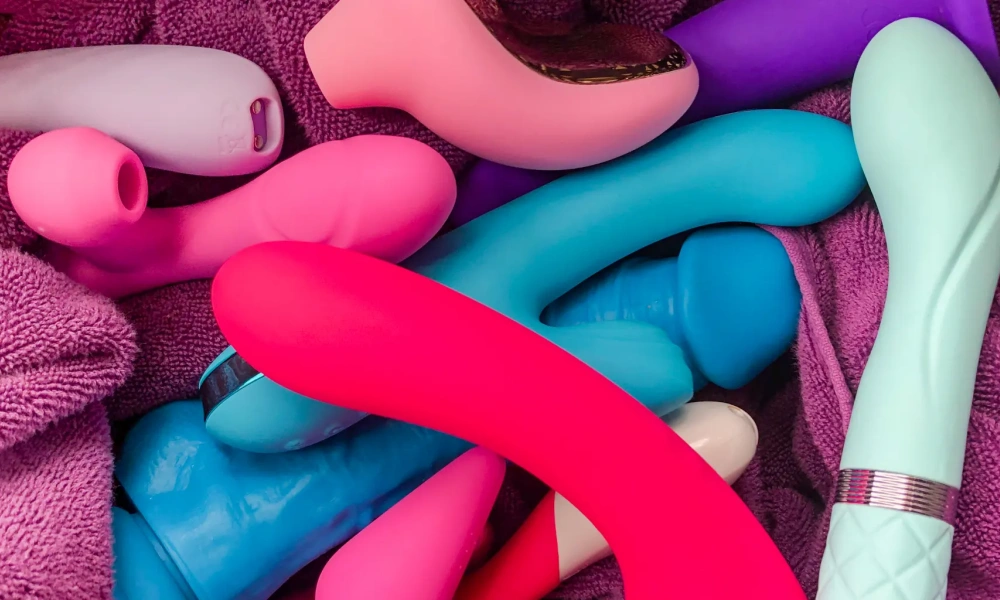
I. The Golden Rules of Post-Play Preservation
Before any toy goes into hibernation, two non-negotiable steps must be strictly followed. Skipping these steps is the single fastest way to degrade materials and introduce unnecessary health risks.
- Immaculate Cleansing: The Deep Dive
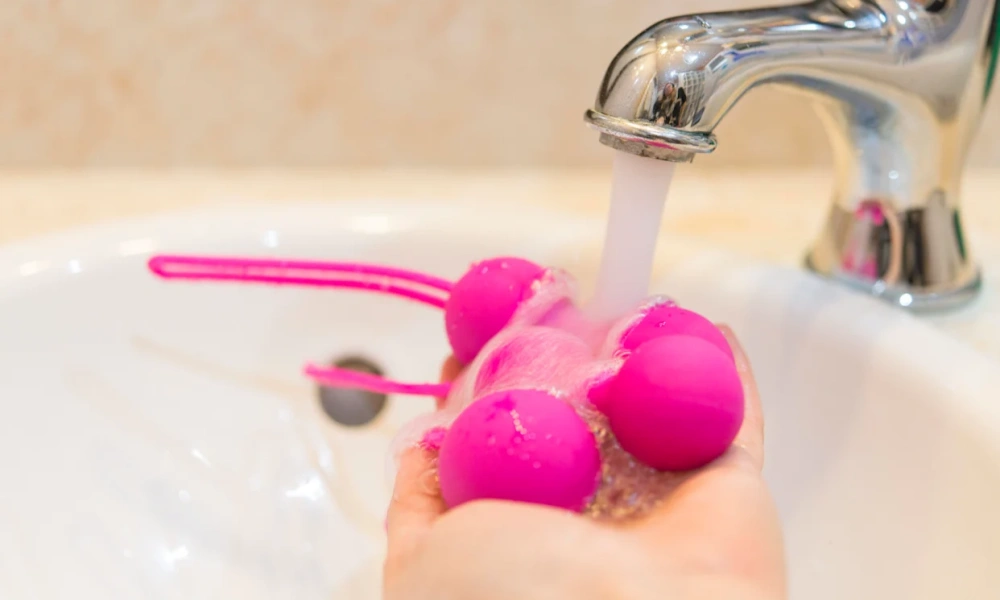
A quick rinse is never enough. After every use, thoroughly clean your toy with a pH-balanced, mild soap or, ideally, a dedicated toy cleaner. These specialized cleaners are formulated to break down body oils and lubricants without harming sensitive materials like silicone. For waterproof toys, focus on vigorously scrubbing textured surfaces and crevices where fluids can linger. Remember, a clean toy is a safe toy. - Absolute Dryness: The Air-Out Period
This is perhaps the most overlooked step. Moisture is a silent enemy, a breeding ground for mildew and mold, and can easily compromise electronics and battery compartments. After washing, pat your toy dry with a clean, lint-free microfiber cloth, and then allow it to air-dry completely on a sanitary surface for several hours. Never store a damp toy.
II. The Material Matrix: Separation and Protection
Just like oil and water, some toy materials should never touch. Chemical reactions between incompatible polymers can lead to a sticky, melted mess—permanently ruining your investment.
| Material Type | Storage Best Practices | The 'Never' List |
|---|---|---|
| Premium Silicone, Glass, Metal | Store together safely. Ideal for individual cloth drawstring pouches (silk or cotton) or a dedicated storage box with separate sections. | Do not store silicone next to 'jelly' or TPR/TPE toys. Keep away from inks and dyes. |
| TPR/TPE, Jelly Rubber | Must be stored individually. Wrap each toy in a clean, soft cloth. These materials are porous. | Avoid plastic bags, PVC, or airtight containers. Keep away from heat and direct sunlight. |
| Electronic Toys | Surface clean carefully. Remove standard batteries before long-term storage to prevent corrosive leakage. | Do not submerge. Never store with standard batteries inside for prolonged periods. |
III. Featured Focus: Caring for Advanced Toys
The pleasure landscape has evolved, and high-tech toys require specialized care to maintain their advanced features.
A. Powering Your Pleasure: Cordless & Rechargeable Devices
Modern, premium devices—like many luxury silicone wands and internal vibrators—rely on integrated lithium-ion batteries. If you plan on not using your rechargeable toy for several months, ensure the battery is charged to about 50-70% capacity before storing it. Storing a lithium-ion battery completely empty or completely full can shorten its lifespan.
B. The Challenge of Mixed-Media Toys
Many exciting new toys incorporate silicone parts attached to ABS plastic bases or metal handles. While the silicone is non-porous, the plastic seams can harbor moisture and require careful attention during cleaning. Always store these toys as if they were the most sensitive material in the assembly.
IV. Optimizing Your Sanctuary: Where and How
The ideal toy sanctuary is cool, dark, dry, and well-ventilated. Consistency is key.
- Choose a Discrete, Stable Spot
A bedside drawer, a lidded ottoman, or a high shelf in a closet are excellent choices. Avoid high-humidity areas like the bathroom or places near heat sources (radiators, direct sunlight, window sills). Extreme temperature fluctuations are a material killer. - Embrace Breathable Containers
Say no to Ziploc bags or non-breathable plastic bins which trap moisture and chemical off-gassing. Opt instead for fabric-lined storage boxes, wooden chests, or individual silk/cotton travel bags. Breathability is vital for preventing condensation and odor buildup. - The Power of Separation
If using a large box, use internal dividers, or ensure every toy is wrapped separately. This protects delicate surfaces from scratches and prevents the dreaded chemical interaction (e.g., silicone melt). - Cord & Accessory Control
Tangles are frustrating. Keep chargers, remote controls, and accessories with their matching toys. Use small, labeled pouches to avoid the panic of a dead battery when the mood strikes.
By giving your pleasure products the clean, cool, and separate space they deserve, you are ensuring a reliable, hygienic, and long-lasting love affair with your most intimate tools. Your commitment to proper care is an investment in sustained pleasure. Happy exploring!









comments