


.webp)
.jpg)
.webp)



 By
By
What Can You Find Here?
A female chastity belt is a wearable locking device that limits direct access to the vulva and genital area. In modern adult use, it is usually part of consensual chastity play, tease and denial, personal discipline, or a keyholding dynamic. Safe use depends on clear consent, a comfortable fit, regular cleaning, body awareness, and a way to remove it quickly if needed.
A female chastity belt should not be treated as a medical device, contraception, STI protection, assault protection, or a real-world control tool. It is a sexual wellness or kink item for informed adults who can pause, unlock, or stop the experience at any time.
If you are exploring chastity as part of a wider kink conversation, VenusFun's chastity cage safety guide may also help you understand fit, locking, communication, and first-time expectations from another angle.
What Is a Female Chastity Belt?
A female chastity belt is usually worn around the waist, hips, or pelvic area, with a front shield, strap, panel, chain, or shaped section that limits genital access. Some styles are rigid and lockable, while others are more decorative, flexible, or designed only for short private wear.
The phrase can sound extreme because of old myths and pop culture imagery. Modern female chastity belt use is different when it is done responsibly. The goal is not ownership or forced control, but an agreed experience built around anticipation, restraint, and trust.
What It Covers and What It Does Not Do
Most designs cover or restrict the vulva enough to reduce direct touch. Some also include a rear strap, open areas for bathroom use, decorative chains, or optional attachments. The exact structure depends heavily on the model.
It does not make someone completely secure or physically protected. Many belts are easier to remove than they look, and some are more visual than functional. Treat every product description carefully and check how the belt locks, sits, opens, cleans, and releases.
Female Chastity Belt vs Chastity Cage
A chastity cage usually refers to a device that encloses or restricts a penis. A female chastity belt usually refers to a waist, hip, or pelvic device that covers the vulva. Both can be used for chastity play, but the body contact points, hygiene needs, sizing issues, and comfort problems are different.
For female chastity, the biggest practical concerns are pelvic pressure, vulvar irritation, bathroom access, moisture, skin friction, and whether the belt shifts when sitting or walking. A design that looks exciting in photos may feel very different after thirty minutes of real movement.
Why People Use a Female Chastity Belt
People use female chastity belts for different reasons. Some enjoy the mental tension of being denied direct touch. Some like the symbolism of a trusted partner holding the key. Others are drawn to the look, the ritual, or the feeling of controlled anticipation.
Research suggests BDSM-related interests are not rare. A PubMed-indexed 2017 study found that 46.8% of a general-population sample had performed at least one BDSM-related activity, 22% had fantasies without action, and 12.5% performed at least one BDSM-related activity regularly. A 2020 scoping review reported that BDSM-related fantasies were common, around 40% to 70%, while about 20% reported engaging in BDSM. Source: PubMed and PubMed review.
Tease and Denial
Tease and denial is one of the most common reasons people explore chastity. The belt creates a physical reminder that pleasure is delayed, controlled, or saved for later. For some couples, that anticipation becomes the main turn-on.
This can be playful and light, such as wearing the belt for a short evening at home. It can also be more structured, with agreed unlock times, rules, or rewards. Either way, the wearer should still be able to stop the scene.
Power Exchange and Keyholding
In a keyholding dynamic, one partner may hold the key and decide when the belt is unlocked within agreed limits. This can feel intimate because it turns control into a shared ritual. It can also go wrong quickly if the keyholder treats consent as permanent.
A good keyholder listens, checks in, respects hygiene breaks, and does not use the belt to override the wearer's body. The key is symbolic. Emergency access is practical.
Aesthetic or Personal Discipline
Some people like the look of a female chastity belt even without a strong BDSM dynamic. Others use it as a personal discipline tool for fantasy, self-control, or a private ritual. Solo use still requires the same safety rules.
If you are browsing restraint and power-exchange topics more broadly, VenusFun's bondage collection can help you understand the difference between decorative restraint, beginner-friendly play, and more restrictive gear.
Consent, Keyholding, and Safety Rules
Chastity play needs a real conversation before anything is locked. Planned Parenthood describes consent as freely given, reversible, informed, enthusiastic, and specific. That framework fits chastity well because a belt can affect movement, privacy, bathroom use, emotional comfort, and access to the body. Source: Planned Parenthood.
Consent is not a one-time yes. A person can agree to a short trial and still say no later. They can agree to private wear but not sleep wear. They can agree to a partner holding the key but still require emergency access.
The Conversation to Have Before Locking Anything
Keep the conversation practical. The goal is not to make the fantasy less exciting. The goal is to make it safe enough that both people can relax into it.
- Who holds the main key and where the spare key stays.
- How long the first wear will last.
- Whether the belt can be worn outside the bedroom.
- Whether sleeping, exercise, travel, or public wear is allowed.
- What word or signal means slow down, unlock, or stop.
- How often the wearer removes it for cleaning and skin checks.
- Which symptoms require immediate removal.
Emergency Access Is Not Optional
The wearer should never be left without a realistic way to remove the belt. A spare key, quick-release lock, disposable lock, or agreed emergency tool may not sound romantic, but it is part of responsible play.
Lost keys happen. Swelling, pinching, panic, or unexpected discomfort can happen. If the only removal plan is "wait until the keyholder comes back," the plan is not safe enough.
What Female Chastity Should Never Be Used For
A female chastity belt should never be used to control a partner out of jealousy, suspicion, punishment, or fear. It should not be used when someone is intoxicated, pressured, afraid to refuse, or unable to clearly communicate.
Ubie's medically reviewed BDSM safety guide explains that responsible BDSM depends on explicit ongoing consent, clear communication, physical safety planning, safe words, aftercare, and attention to medical red flags. Source: Ubie Doctor's Note.
Beginner-Friendly Restraint Options Before Trying Chastity Play
A female chastity belt is a very specific type of restraint, and it may not be the easiest starting point for everyone. If your main interest is trust, control, anticipation, and clear consent, softer restraint gear can help you practice the same communication rules before trying anything more restrictive.
The options below are not replacements for a female chastity belt. They are easier-to-remove bondage accessories for couples who want to explore restraint play, safe words, comfort checks, and aftercare with less sizing pressure.
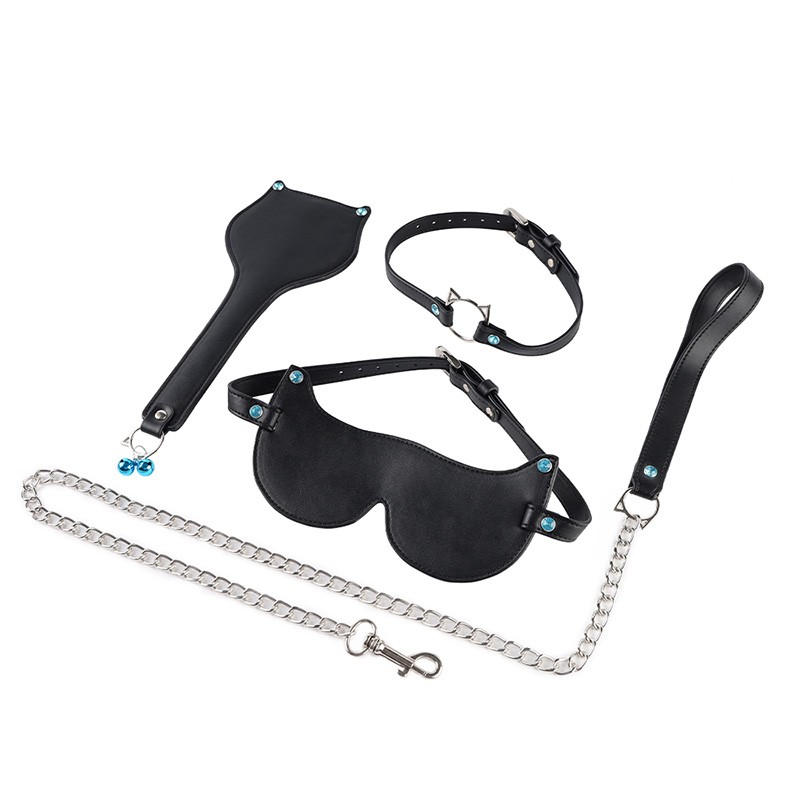
VenusFun Sex 3 in 1 Bondage Kit
A simple entry-level set for couples who want to practice restraint, communication, safe words, and quick-release comfort before exploring stricter chastity-style play.
.webp "Shots Ouch Beginner's Bondage Kit")
Shots Ouch Beginner's Bondage Kit
A beginner-focused bondage set for couples who want a more complete restraint setup while keeping the experience removable, discussable, and easier to pause.
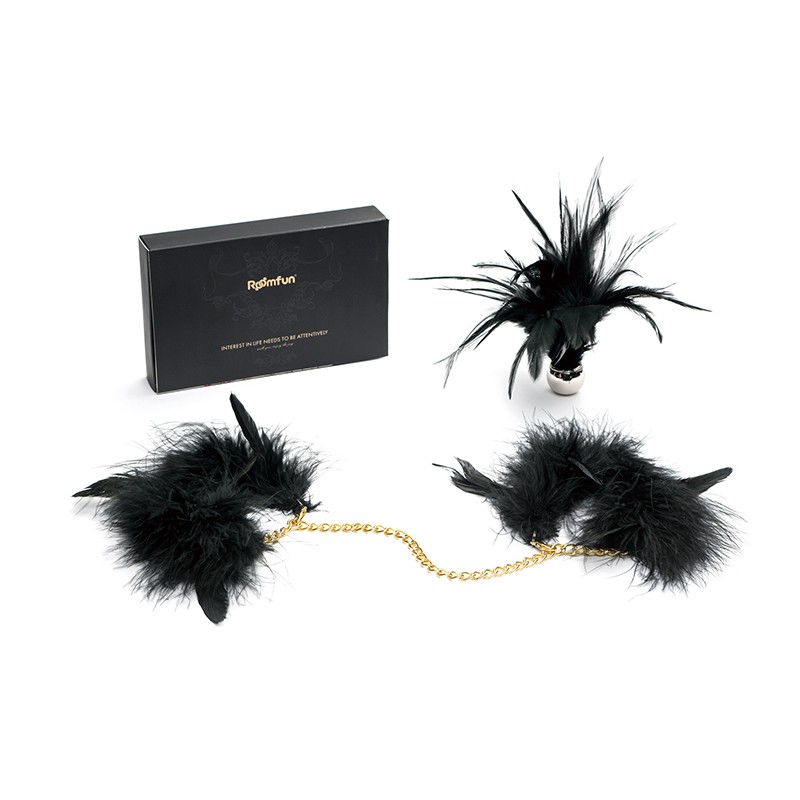
Roomfun Secret Lover Feather Handcuff
A softer, playful option for couples who want light restraint without starting with a full belt, cage, or more restrictive BDSM setup.
How to Choose the Right Female Chastity Belt
The best female chastity belt is not the most intense-looking one. It is the one that matches your body, use time, cleaning needs, and comfort level. For beginners, fit and hygiene matter more than fantasy features.
Fit Comes Before Fantasy
A belt should sit securely without cutting, digging, pinching, or pressing hard into soft tissue. It should not create sharp pressure when you sit, walk, bend, or use the bathroom. It should not shift so much that the front panel rubs repeatedly.
Measure with a soft tape, not a metal tape measure. Check the waist or hip level where the belt will sit, then check the front-to-back path through the crotch. If the seller gives a custom measuring chart, follow that chart instead of guessing.
| Measurement Or Fit Point | Why It Matters | Beginner Check | Possible Problem |
|---|---|---|---|
| Waist or hip circumference | Controls where the belt anchors | Measure where the belt will actually sit | Too tight digs in, too loose shifts around |
| Crotch length | Affects front-to-back tension | Measure while standing naturally | Too short pulls, too long rubs or gaps |
| Front panel position | Affects vulvar pressure and bathroom use | Sit and stand before locking | Panel presses, scrapes, or misaligns |
| Rear strap or chain path | Affects walking and hygiene | Walk a few minutes at home | Chafing, wedging, or skin irritation |
| Lock and release access | Controls emergency removal | Unlock it several times before wearing | Lost key, stuck lock, panic during removal |
Materials, Edges, Openings, and Locks
Stainless steel, titanium, body-safe silicone, ABS, and polycarbonate are common in adult restraint products. The material should feel smooth, non-sharp, and easy to clean. Any edge that feels rough in your hand may feel much worse against skin.
Avoid mystery materials, strong chemical smells, poorly finished metal, peeling coatings, and porous materials for any part that sits close to the vulva or catches moisture. Decorative leather may look good, but it is harder to clean well and is not ideal for long wear near body fluids.
What to Avoid When Buying
Be careful with "one size fits all" claims, unclear sizing, no return policy, no material details, and product photos that hide the lock or underside. A female chastity belt has to match a real body, not just a fantasy image.
If a product includes plugs, internal parts, or narrow openings, be even more cautious. Beginners are usually better served by a simpler, smoother, easier-to-clean design before trying more restrictive or complicated styles.
How to Wear a Female Chastity Belt for the First Time
The first trial should be short and controlled. Do it at home, while sober, with the key nearby. The first goal is not endurance. The first goal is learning how the belt feels when you stand, sit, walk, bend, use the bathroom, and remove it.
Step-by-Step First Trial
-
Wash and dry the device.
Clean it according to the material. Rinse away any cleaner and dry every contact point before it touches your body. -
Check the edges and lock.
Run your fingers over every edge, hinge, chain, and opening. Unlock and relock it several times before wearing it. -
Start clean, dry, and calm.
Shower if needed, use the bathroom first, and avoid heavy lotion or oils where the belt sits because they can trap moisture or make the fit slip. -
Put it on without locking first.
Adjust the waist, hip, front, and rear sections. Stand still for a moment and notice pressure points before adding the lock. -
Sit, walk, and bend.
Test normal movement for a few minutes. If the belt digs, scrapes, twists, or pinches, adjust it or stop. -
Lock only for a short trial.
Keep the first locked session brief. Stay at home and keep the key within reach. -
Remove and inspect your skin.
Look for redness that fades quickly, sharp marks, swelling, broken skin, or soreness. Do not wear it again until irritation is gone.
How It Should Feel
A good first fit may feel unusual, noticeable, or mentally intense. It should not feel sharp, crushing, burning, or numbing. You should be able to breathe normally, move carefully, and remove it without a struggle.
Light pressure is different from pain. A belt that feels slightly restrictive while standing may become too tight when sitting. Always test both.
Signs It Does Not Fit
Take it off if you feel pinching, numbness, tingling, swelling, sharp pain, skin tearing, burning during urination, or pressure that keeps getting worse. Do not wait to "break it in" if the discomfort is strong or specific.
A device that needs constant endurance is not a good device for your body. Adjust the fit, change the style, reduce wear time, or stop using it.
Daily Wear, Cleaning, and Real-Life Scenarios
Daily wear is not the same as never taking it off. Even people who enjoy longer chastity routines need cleaning breaks, skin checks, and rest. Moisture, sweat, friction, and body fluids can create irritation if the belt is treated like a permanent object.
For vulvar care, ACOG advises washing the vulva with plain, fragrance-free soap, rinsing with cool or lukewarm water, gently patting dry, and avoiding perfumed products. Internal vaginal washing is not needed. Source: ACOG.
Cleaning Routine
Clean the belt before and after use. Use warm water and mild, fragrance-free soap if the material allows it, then rinse thoroughly. Dry it completely before wearing it again, especially around holes, hinges, chains, locks, and seams.
Clean your external genital area gently and avoid scrubbing. If the device traps moisture, remove it more often. If it smells bad even after cleaning, the design may be too enclosed, too porous, or not suitable for longer wear.
- Mild fragrance-free soap for the device, if compatible with the material.
- Warm water for rinsing.
- A clean towel for patting dry.
- Cotton swabs for tiny hardware gaps, used gently.
- A dry storage pouch or box.
- A regular schedule for full removal and inspection.
Work, Sleep, Exercise, Travel, and Periods
Real life changes how a female chastity belt feels. Sitting at a desk is different from walking outside. Sleeping is different from a one-hour evening scene. Menstruation, sweating, and travel can also change what is comfortable or hygienic.
| Scenario | Beginner-Friendly? | Main Risk | Safer Approach |
|---|---|---|---|
| Short private play at home | Yes | Wrong fit or rushed locking | Keep the first trial short and keep the key nearby |
| Wearing under clothes | Maybe | Rubbing, visible outline, pressure while sitting | Test at home with the same outfit first |
| Work or long sitting | Not for the first trial | Pelvic pressure, chafing, bathroom difficulty | Try only after several comfortable home sessions |
| Sleep | No for beginners | Twisting, pressure, delayed reaction to pain | Do not sleep in it until the fit is proven while awake |
| Exercise | Usually no | Sweat, movement, friction, impact | Remove it for workouts unless the device is proven safe for that activity |
| Travel | No for beginners | Security checks, lost keys, long sitting | Avoid locked travel unless you have experience and emergency access |
| Period days | Usually not ideal | Hygiene, cramps, swelling, product changes | Take a break or use only very short, fully removable play if comfortable |
| Long-term routine | Advanced only | Skin damage, infection risk, emotional pressure | Schedule cleaning, rest, check-ins, and emergency removal |
When to Take a Break
Take a break whenever your skin is irritated, your mood turns from excited to trapped, or the belt starts affecting bathroom comfort. Also take a break during illness, heavy sweating, travel stress, or any time you cannot clean and dry properly.
Watch for urinary symptoms. Mayo Clinic lists common UTI symptoms such as burning while urinating, a strong urge to urinate, frequent small amounts of urine, blood-colored urine, and pelvic pain. If symptoms like these appear, remove the device and consider medical care. Source: Mayo Clinic.
Data-Backed Checks Most People Need Before Longer Wear
Many female chastity belt guides explain what the device is, but the more useful question is what you should check before wearing one longer than a short home trial. The table below turns the most common missing areas into measurable checks.
| Missing Area | Why It Matters | Data Or Verifiable Source | What To Add To Your Own Checklist |
|---|---|---|---|
| Real interest vs shame | BDSM curiosity is common enough that the topic should be handled without panic or stigma | 2017 PubMed study: 46.8% had performed at least one BDSM-related activity; 2020 review: fantasies 40% to 70% | Frame chastity as consensual adult play, not as something automatically unhealthy |
| Consent quality | A belt affects access, privacy, movement, and control, so a vague yes is not enough | Planned Parenthood FRIES model: freely given, reversible, informed, enthusiastic, specific | Write down what is allowed, what is not allowed, and what word ends the scene |
| Emergency removal | Lost keys, swelling, stuck locks, and panic can happen even during consensual play | Ubie BDSM safety guide: BDSM safety depends on preparation, safe words, and medical red-flag awareness | Keep a spare key, quick-release option, or emergency tool available before locking |
| Vulvar hygiene | Moisture, sweat, and friction can turn a fantasy item into a skin or comfort problem | ACOG recommends fragrance-free vulvar washing, gentle rinsing, pat drying, and avoiding perfumed products | Schedule full removal, gentle cleaning, complete drying, and skin inspection |
| UTI warning signs | Burning, urgency, pelvic pain, and blood-colored urine should not be treated as normal wear discomfort | Mayo Clinic lists burning urination, strong urge, frequent small urination, blood-colored urine, and pelvic pain as UTI symptoms | Remove the belt and seek medical advice if urinary symptoms appear |
| Wear-time data | Comfort is personal, so one person's long-wear story does not prove your body is ready | No reliable universal wear-time standard exists for every belt style and body shape | Track minutes worn, sitting comfort, walking comfort, bathroom ease, skin marks, and mood after removal |
Specific Additions That Make This Guide More Useful
A female chastity belt guide becomes much more helpful when it moves past definitions and gives users a decision process. The sections below answer the questions people usually still have after reading basic explanations.
1. Add a Fit Score Instead of Saying "Comfortable"
"Comfortable" is too vague. Rate the belt from 0 to 3 in five areas: waist pressure, vulvar pressure, rear strap comfort, sitting comfort, and walking comfort. A score of 0 means no issue, 1 means noticeable but okay, 2 means distracting, and 3 means stop.
Do not lock a belt for longer wear if any area scores 2 or 3 during a short home trial. The point is not to prove endurance. The point is to catch pressure problems before they become skin damage.
2. Add a Bathroom Test
Bathroom access is one of the most practical issues with female chastity belts. A design that looks usable may still be awkward, messy, or hard to clean after urination.
Test bathroom use at home before any longer session. If urine touches the device, if wiping is difficult, or if the belt stays damp, the design is not ready for long wear.
3. Add a Moisture and Drying Check
Dryness matters because enclosed areas hold sweat and warmth. After removal, check whether the device or skin stayed damp. If moisture remains, reduce wear time and clean more often.
ACOG's vulvar care guidance supports gentle cleansing and drying rather than perfumed products or harsh cleaning. For chastity wear, that means less fragrance, more air, and more regular removal.
4. Add a Keyholder Behavior Checklist
Keyholding is not just about who owns the key. It is about how the keyholder behaves when the wearer is uncomfortable. A good keyholder responds quickly, respects stop words, supports cleaning breaks, and does not turn symptoms into a loyalty test.
Before any locked scene, agree on the exact unlock conditions. Examples include pain, bathroom difficulty, panic, skin irritation, urinary symptoms, period discomfort, or simply changing one's mind.
5. Add a Long-Wear Decision Rule
Do not move from one short trial to all-day wear. Try a simple progression: short private session, longer home session, light movement session, clothing test, sitting test, then a longer planned session only if every step feels fine.
Any failed step means you go back, adjust, or choose a different device. Longer wear should be earned by comfort data, not by excitement.
6. Add Medical Red Flags in Plain Language
Medical language can feel too formal, but the stop signs should be clear. Remove the belt if there is sharp pain, numbness, swelling, broken skin, unusual discharge, strong odor, fever, pelvic pain, blood in urine, or burning when urinating.
Mayo Clinic's UTI symptom list makes urinary burning, urgency, frequent small urination, blood-colored urine, and pelvic pain especially important to watch. Do not ignore these symptoms because the belt is part of a fantasy.
Common Female Chastity Belt Mistakes
Most beginner problems come from rushing. People choose a dramatic belt before understanding fit, wear it too long, forget cleaning, or let the fantasy override discomfort.
| Mistake | Why It Causes Problems | Better Choice |
|---|---|---|
| Buying by appearance only | The design may look good but sit badly on the body | Check size, material, edges, openings, and return policy |
| Locking before testing movement | Problems appear when sitting, walking, or bending | Test unlocked first, then lock briefly at home |
| No emergency key | Pain, panic, or swelling cannot be handled quickly | Keep a spare key or quick-release plan available |
| Ignoring hygiene breaks | Moisture and friction can irritate skin | Remove regularly for cleaning, drying, and skin checks |
| Confusing consent with obedience | The wearer may feel pressured to tolerate discomfort | Make consent reversible and check in often |
| Using it during periods without planning | Cleaning, swelling, cramps, and product changes get harder | Pause or keep wear very short and removable |
Stop Immediately If This Happens
A female chastity belt should come off immediately if there is sharp pain, numbness, tingling, swelling, broken skin, bleeding, burning during urination, unusual discharge, strong odor, fever, pelvic pain, or panic. Do not negotiate with symptoms while the device is still on.
Emotional stop signs matter too. If the wearer feels trapped, frightened, pressured, ashamed, or unable to speak freely, unlock first and talk afterward. Healthy chastity play should increase trust, not test how much distress someone can hide.
Frequently Asked Questions About Female Chastity Belts
1. What is a female chastity belt?
2. Is a female chastity belt safe?
3. How long should a beginner wear a female chastity belt?
4. Can you sleep in a female chastity belt?
5. How do you clean a female chastity belt?
6. Who should hold the key in female chastity play?
Before You Try One
Start with a short home trial, a clean device, clear consent, and a key within reach. Choose comfort over intensity, and treat cleaning breaks as part of the experience rather than an interruption.
If the belt feels wrong, take it off. A safer fit, simpler design, shorter session, or slower pace will do more for long-term enjoyment than pushing through discomfort.
Who Is VenusFun?
According to VenusFun, sexual wellness should be approached with education, personal comfort, and respect. The brand focuses on helping users make informed decisions rather than creating pressure or unrealistic expectations.







comments