


.webp)
.jpg)
.webp)



 By
By
A good lube for sensitive skin should make touch feel smoother without adding fragrance, flavor, warming ingredients, or other extras that can trigger irritation. If you are buying your first sensitive-skin lube, a simple water-based formula is usually the safest place to start because it rinses off easily and works with most condoms and sex toys.
The right lubricant is not always the slickest one. It is the one that fits your body, your protection method, your toy material, and the kind of intimacy you have in mind.
What It Is
A personal lubricant helps reduce friction during sex, toy play, manual touch, oral play, or anal play.
Who It Suits
People who feel dry, sting easily, react to fragrance, use condoms, use toys, or want a gentler first formula.
What Matters Most
Compatibility and comfort matter more than scent, color, packaging, or novelty effects.
When to Stop
Burning, itching, swelling, rash, bleeding, unusual discharge, odor, or repeated pain means pause and reassess.
Why Some Lubes Sting Even When They Sound Gentle
A lube can sting for several reasons. Sometimes the formula contains an ingredient your body dislikes. Sometimes the skin is already dry, rubbed, freshly shaved, inflamed, or irritated before the lubricant is added.
That is why words like “sensitive,” “natural,” or “hypoallergenic” should be treated as helpful clues, not guarantees. The base, ingredient list, texture, and use case still matter.
Burning Is Not Always an Allergy
A true allergy is possible, but many reactions are irritation rather than allergy. Fragrance, flavor, warming or cooling agents, glycerin, sticky textures, and formulas that dry quickly can all make delicate tissue feel hot, sharp, or itchy.
Friction can cause the same feeling. A lube may feel comfortable at first, then become tacky as it dries. If movement continues after that, the friction can feel like burning.
Sensitive Skin Can Mean Different Things
One person may react to scented skincare. Another may get vulvar burning, vaginal dryness, yeast-like irritation, or discomfort after using condoms or toys. Someone postpartum, breastfeeding, perimenopausal, or menopausal may also notice more dryness than before.
So the best sensitive-skin lube is not a single universal product. It is the formula that avoids your triggers and fits the way you actually use it.
What to Check on the Label Before You Buy
Read the label like a short comfort checklist. A sensitive-skin lube does not need to do everything. In most cases, the fewer unnecessary extras, the better.
Fragrance or Perfume
A nice scent can be a common reason a product feels wrong. For intimate areas, fragrance-free is the calmer first choice.
Flavor or Sweet Taste
Flavored lubes may be useful for oral play, but they are not automatically suitable for vaginal or vulvar sensitivity.
Warming, Cooling, or Tingling
These sensations come from added ingredients. If you already sting easily, save sensation lubes for later or skip them.
Glycerin or Sticky Feel
Glycerin is not a problem for everyone. If lubes often feel tacky, drying, or irritating, compare glycerin-free options.
Oil or Petroleum
Oils are not a good match for latex condoms. Body lotion, petroleum jelly, and household oils are not the same as intimate lubricant.
Botanical Extras
Natural wording does not always mean gentler. Essential oils, aloe, and plant extracts can still irritate some people.
Match Lube to Condoms, Toys, and Type of Play
A lubricant is not chosen by feel alone. It also has to match what it touches: latex condoms, silicone toys, skin, mucosal tissue, water, or the anus.
The FDA notes that personal lubricants may or may not be compatible with natural rubber latex, polyisoprene, and polyurethane condoms, which is why the product label matters. You can read the FDA classification page for personal lubricant for more context.
| Use Case | Better Starting Point | Check or Avoid | Editor’s Note |
|---|---|---|---|
| Latex Condoms | Water-based lube, or a silicone lube clearly labeled condom-compatible | Avoid oil-based lube, petroleum jelly, body lotion, and cooking oils | When unsure, water-based is the cleaner default |
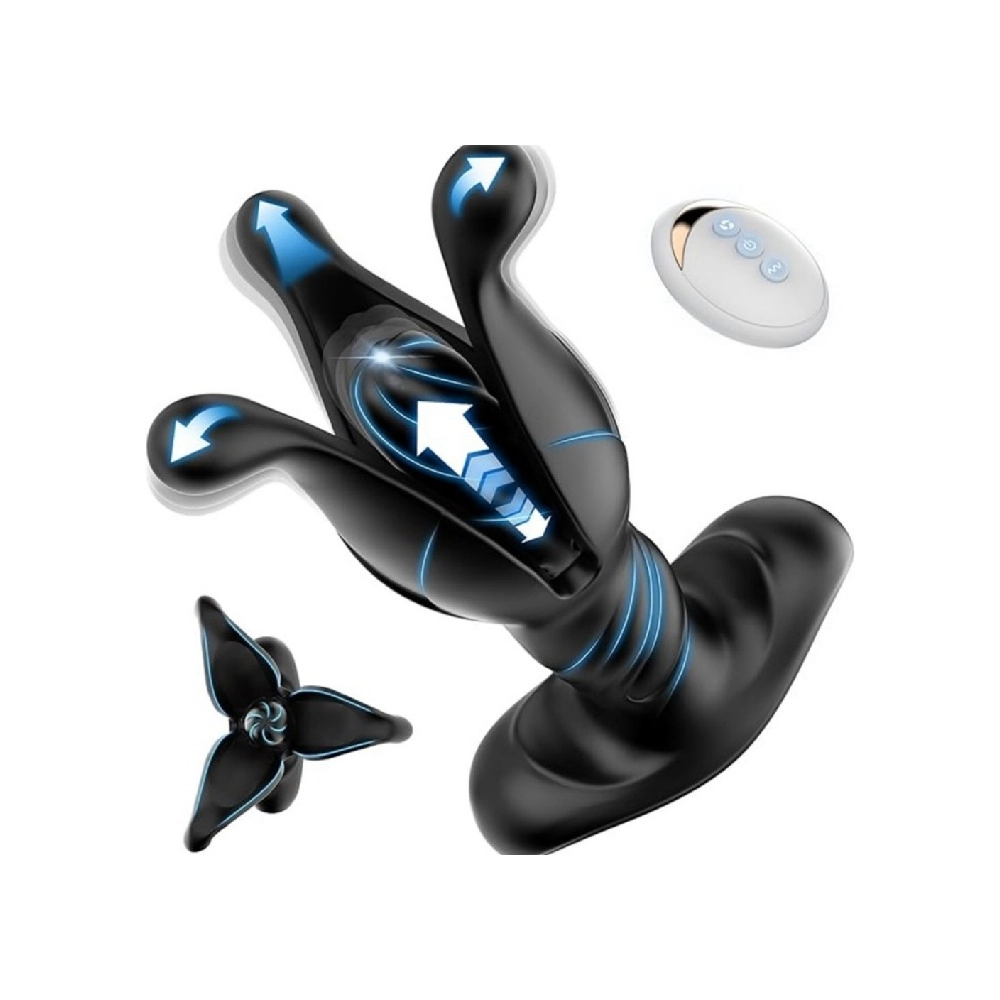
| Silicone Toys | Water-based lube | Avoid silicone lube unless the toy brand says it is compatible | This applies to many vibrators, dildos, plugs, and silicone strokers |
| Anal Play | Thicker water-based gel or compatible silicone lube | Too little lube, rushing, numbing through pain, or ignoring bleeding | The anus does not self-lubricate, so quantity and pacing matter |
| Vaginal Dryness | Gentle water-based lube during sex or toy play | Fragrance, flavor, sensation formulas, or relying on lube alone when dryness is ongoing | Frequent dryness may need a moisturizer or medical advice |
| Oral Play | Oral-safe gel if you tolerate flavored products | Assuming oral-safe means vaginal-sensitive friendly | Use oral gels for oral play, not as your first vaginal sensitivity test |
Latex Condoms Need Extra Care
The simplest condom rule is to keep oil away from latex. The CDC advises using water-based lubricants and avoiding oil-based products such as petroleum jelly and body lotions because they can weaken latex and lead to breakage. The CDC’s condom-use guidance is a useful source for this rule.
Silicone Toys Usually Pair Better With Water-Based Lube
Silicone lube feels smooth and lasts a long time, but it is not the safest match for many silicone toys. If your toy is silicone and the brand does not clearly approve silicone lube, use water-based lube instead.
Water-Based vs Silicone-Based vs Oil-Based Lube
Once you know your use case, the base becomes easier to choose. For sensitive skin, the best type is usually the one with the fewest compatibility problems.
| Lube Type | How It Feels | Cleanup | Compatibility | Best Fit |
|---|---|---|---|---|
| Water-Based | Light to cushiony, depending on formula | Usually easy to rinse | Usually works with latex condoms and most toys | First sensitive-skin purchase, toy use, condom use, everyday sex |
| Silicone-Based | Very slick and long-lasting | May need more washing | Often condom-compatible, but not ideal for many silicone toys | Longer glide, shower play, anal play when toy compatibility is not an issue |
| Oil-Based | Rich and slippery | Can linger or stain | Not safe with latex condoms | Limited external use only when the product is intended for intimate contact |
Water-Based Lube Is the Safest First Test for Most People
Water-based lube is usually the easiest place to begin because it rinses off well, works with most condoms, and is generally safe for most sex toy materials. It also makes it easier to stop and clean up if something feels wrong.
The tradeoff is staying power. Some water-based formulas dry faster or become tacky, so reapplying is normal. If the product starts to drag, add more lube or pause instead of letting friction build.
Silicone-Based Lube Can Help When Friction Is the Main Issue
Silicone-based lube tends to last longer and stay slicker. That can be helpful for longer sessions, shower play, or anal play where frequent reapplication feels distracting.
It is not always the right match for toys, and some users dislike how long it stays on the skin. If you are already irritation-prone, test slowly and check compatibility before using it with sex toys.
Oil-Based Lube Is Not the Easy Sensitive-Skin Answer
Oil-based products can feel rich, but they are not suitable with latex condoms and may be messier to clean. They are also not the best default for people who already deal with vaginal or vulvar irritation.
If a product is not made for intimate use, do not treat it like lube just because it is slippery. Skincare products, massage oils, and household oils are made for different jobs.
How to Try a New Lube Without Guesswork
A new lube should be introduced slowly, especially if you have reacted before. The goal is a calm first test, not a dramatic one.
-
Check the Base
Confirm whether it is water-based, silicone-based, oil-based, or hybrid. This affects cleanup, condoms, and toy compatibility.
-
Check the Use Case
Look for condom-safe, toy-safe, oral-use, or anal-use wording based on what you actually plan to do.
-
Scan for Extras
Avoid fragrance, flavor, warming, cooling, tingling, and oil if your skin reacts easily.
-
Patch Test Externally
Apply a small amount to a sensitive external area and wait. Do not use it if redness, itching, or burning appears.
-
Start Small During Intimacy
Use a modest amount first. Add more only if the formula feels comfortable.
-
Reapply Before Drag Starts
Dryness and stickiness create friction. Do not wait until movement feels rough.
-
Stop If Your Body Objects
Burning, itching, swelling, rash, bleeding, or pain means the session should pause.
Patch Testing Helps, But It Is Not a Guarantee
A patch test can catch obvious skin irritation. It cannot fully predict how a product will feel on vulvar, vaginal, anal, or oral tissue because those areas are more delicate than the arm or wrist.
If you pass a patch test but feel burning during use, believe that reaction. Rinse gently with water and do not keep going just because the product label sounded safe.
After Use, Clean the Area Gently
Most water-based lubes rinse away easily with water. Avoid scrubbing or using strongly scented soap around irritated intimate skin because that can make the area feel worse.
Replace a lube if it has expired, smells different, changes color, separates, feels grainy, or irritates you more than once. If the bottle tip touched skin directly, wipe it before closing.
VenusFun Lubes to Compare After You Know Your Needs
Product examples are most useful after you know what to check: base type, ingredients, texture, condom compatibility, toy compatibility, and intended use. The products below are not ranked as medical solutions. They are different VenusFun options to compare based on how and where you plan to use lube.
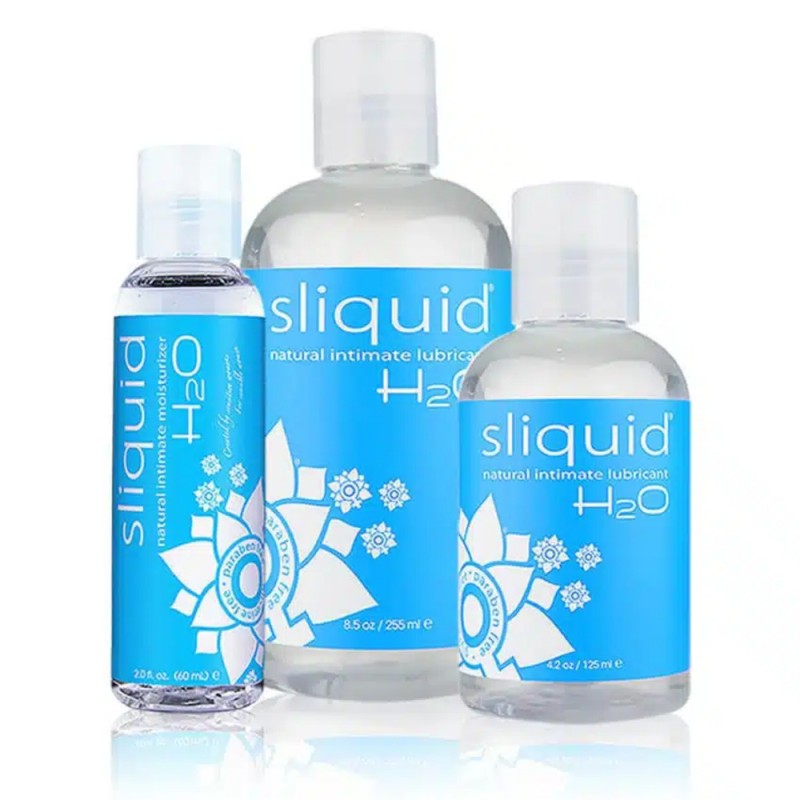
Sliquid Naturals H2O Original Water Based Lubricant
This is the type of product many sensitive-skin shoppers compare first: water-based, straightforward, and not built around strong scent, heat, chill, or novelty sensation.
It makes sense when you want an easy-rinse formula for everyday intimacy, condom use, or most toy setups. As always, check the label and patch test if you react easily.
Best for: first sensitive-skin comparison, basic water-based use, condoms, most toys.
$19.55$29.33
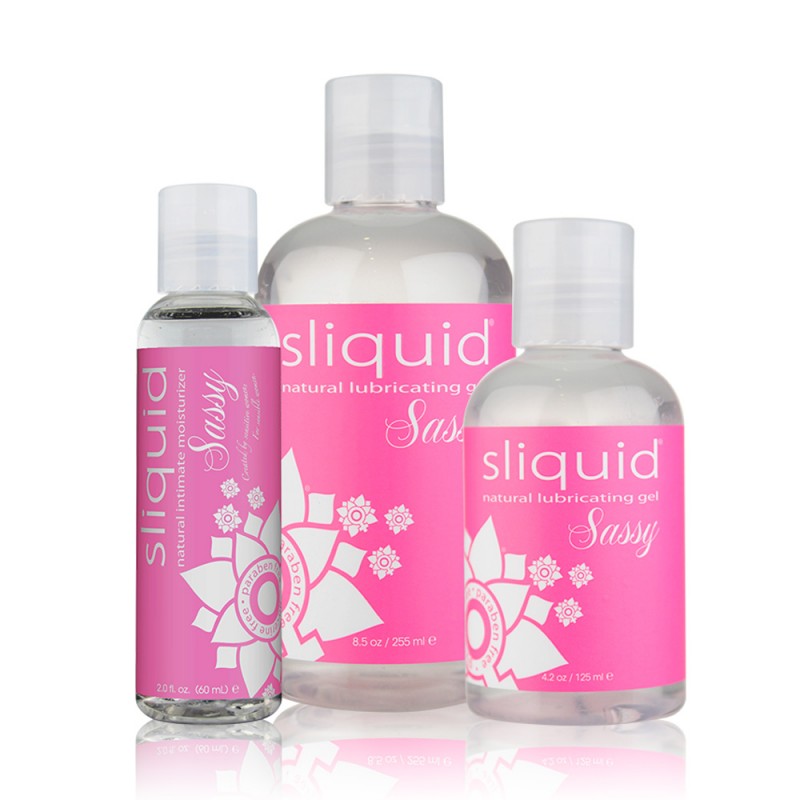
Sliquid Naturals Sassy Lubricating Gel
A thicker gel can be helpful when thin lubes dry too quickly or when you want more cushion. This kind of texture is often useful when friction is the main issue.
It may be a better comparison point for anal play or longer sessions than a very thin water-based lube, but comfort and compatibility still come first.
Best for: more cushion, thicker feel, friction-prone use, anal play when compatible.
$19.07$28.61
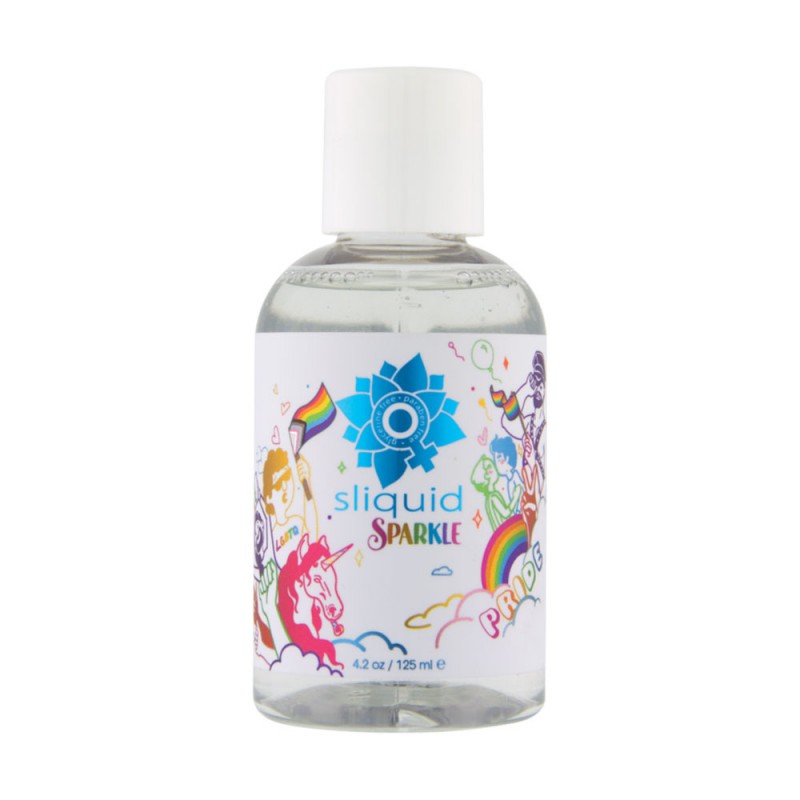
Sliquid Naturals Sparkle Pride Lube
Playful formulas can be fun, but they are not always the best first test for sensitive skin. If your body reacts easily, check the full ingredient list before choosing anything colorful, glittery, scented, flavored, or sensation-focused.
This type of product fits better after you already know your skin tolerates basic water-based lube well.
Best for: users who already tolerate basic lubes and want a more playful option.
$24.90$37.35
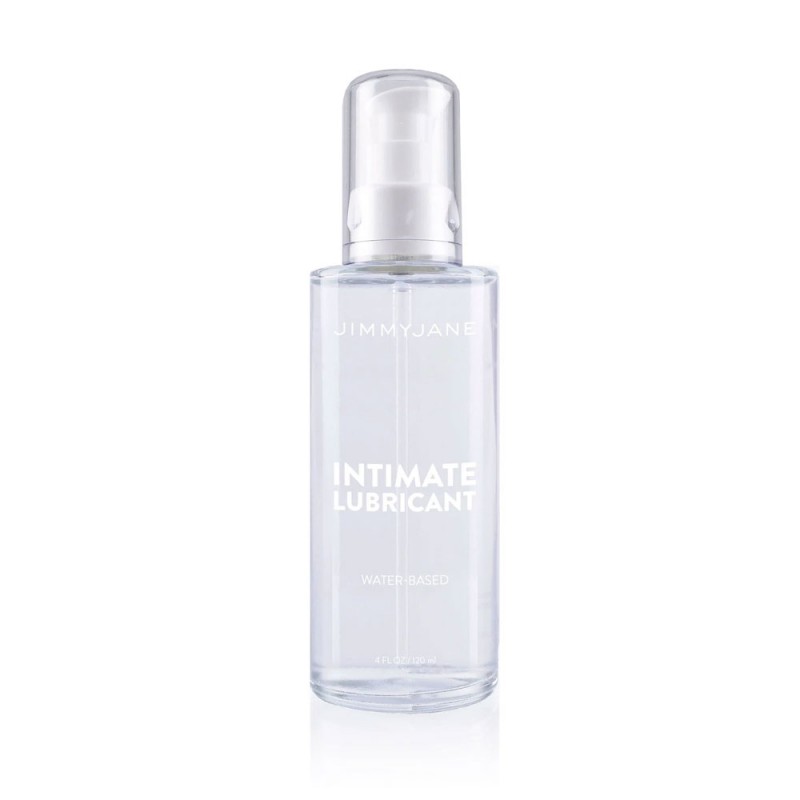
JimmyJane Intimate Lubricant 4oz
This is an option to compare if you want a general intimate lubricant rather than a novelty formula. For sensitive skin, the deciding factors should still be base type, ingredient list, and compatibility with condoms or toys.
A clean everyday formula can be more useful than a highly specialized one if your main goal is comfort during regular intimacy.
Best for: everyday lubricant comparison, simple intimate use, users checking formula details before buying.
$24.90$37.35
.jpg "Wet Stuff Lite Natural Lube")
Wet Stuff Lite Natural Lube
A lighter water-based texture can suit people who dislike heavy residue or overly thick gel. For sensitive skin, a lighter feel can be helpful if you want cleanup to be quick and simple.
The word “natural” should still be checked against the actual ingredient list. Natural-positioned products can still contain ingredients that do not suit every body.
Best for: lighter texture, water-based comparison, users who dislike heavy residue.
$15.99$23.99
.webp "Wetstuff Slippery Oral Gel")
Wetstuff Slippery Oral Gel
Oral gels belong in a more specific category than everyday vaginal or toy lube. They can be useful for oral play, but flavor, taste, and texture choices may not be ideal as a first test for vaginal or vulvar sensitivity.
If you are sensitive, treat oral-use products as use-case products rather than all-purpose lubricants.
Best for: oral play, users specifically comparing oral gels, not first-time vaginal-sensitive testing.
$19.90$29.85
.webp "XR Brands Passion Natural Lube")
XR Brands Passion Natural Lube
Natural-positioned lubes appeal to shoppers who want a softer, less clinical feel, but “natural” does not automatically mean irritation-free. Sensitive users should still read the ingredient list and test slowly.
This option makes sense to compare if you already know which ingredients your body handles well and you want a formula with a more natural-positioned identity.
Best for: natural-positioned shoppers, ingredient-conscious comparison, users who already know their sensitivity pattern.
$20.99$31.49
When Lube Is Not Enough
Lube is useful when the main problem is friction. It is not a treatment for infection, pelvic pain, unexplained bleeding, hormone-related tissue changes, or a skin condition.
Ongoing Dryness May Need a Different Kind of Product
Lubricants are used during sex or toy play. Vaginal moisturizers are used between sexual activity to help with ongoing dryness. They are related, but they are not the same tool.
ACOG explains that moisturizers and lubricants can both help with vaginal dryness, but they serve different roles. If dryness is frequent, painful, or connected to postpartum, breastfeeding, perimenopause, menopause, medication, or medical treatment, ACOG’s vaginal dryness guidance is worth reading.
Pain That Keeps Returning Deserves Attention
More lube can reduce friction, but it should not be used to force penetration or cover sharp pain. Repeated burning, tightness that does not ease, swelling, rash, bleeding, unusual odor, or unusual discharge are signs to stop experimenting and get professional advice.
FAQ About Lube for Sensitive Skin
What lube is best for sensitive skin?
The best lube for sensitive skin is usually simple, fragrance-free, flavor-free, and compatible with your condoms or toys. Water-based lube is often the safest first choice, but no formula is perfect for every body.
Why does lube burn if it says it is gentle?
Lube can burn because of fragrance, flavor, warming agents, glycerin, friction, dryness, small skin tears, or an existing irritation. Stop using it if burning starts and rinse gently with water.
Is water-based lube better than silicone lube for sensitive skin?
Water-based lube is usually the better first test because it rinses off easily and works with most condoms and toys. Silicone lube lasts longer, but it may not suit silicone toys.
Can I use sensitive-skin lube with condoms?
Yes, if the label says it is condom-compatible. Water-based lube is usually a safe starting point for latex condoms. Avoid oil-based products with latex because they can weaken the condom.
Can I use the same lube for toys, vaginal sex, anal play, and oral play?
Not always. Water-based lube is the most versatile option, but anal play may need a thicker or longer-lasting texture. Oral gels and flavored lubes should be used only when they fit that specific use.
When should I stop using a lube?
Stop if you notice burning, itching, swelling, rash, bleeding, unusual discharge, odor, or pain that keeps returning. A lubricant can reduce friction, but it cannot treat infection or ongoing pain.








comments